Version 2.0
Home
Info
Splash
TextTree
A1. Nonmotile algae without chloroplasts:
Cyanobacteriophyta
A2. Motile algae with chloroplasts and flagella
A3. Nonmotile algae with chloroplasts but without flagella
B1. Cells usually epiphytic, epizoic, or endozoic
C1. Cells, colonies, filaments or pseudofilaments attached to aquatic plants (epiphytic)
D1. Colonies parasitic on tree pollen; cells pyramidal, with short apical spine, often lacking chlorophyll; cells joined by short extensions to form open, spherical colony:
Ducellieria
D2. Protoplast (living portion of cell) enclosed in rigid lorica
E1. Lorica attached to plant host by very short, thick stipe, or appearing to be sessile; lorica with narrow opening:
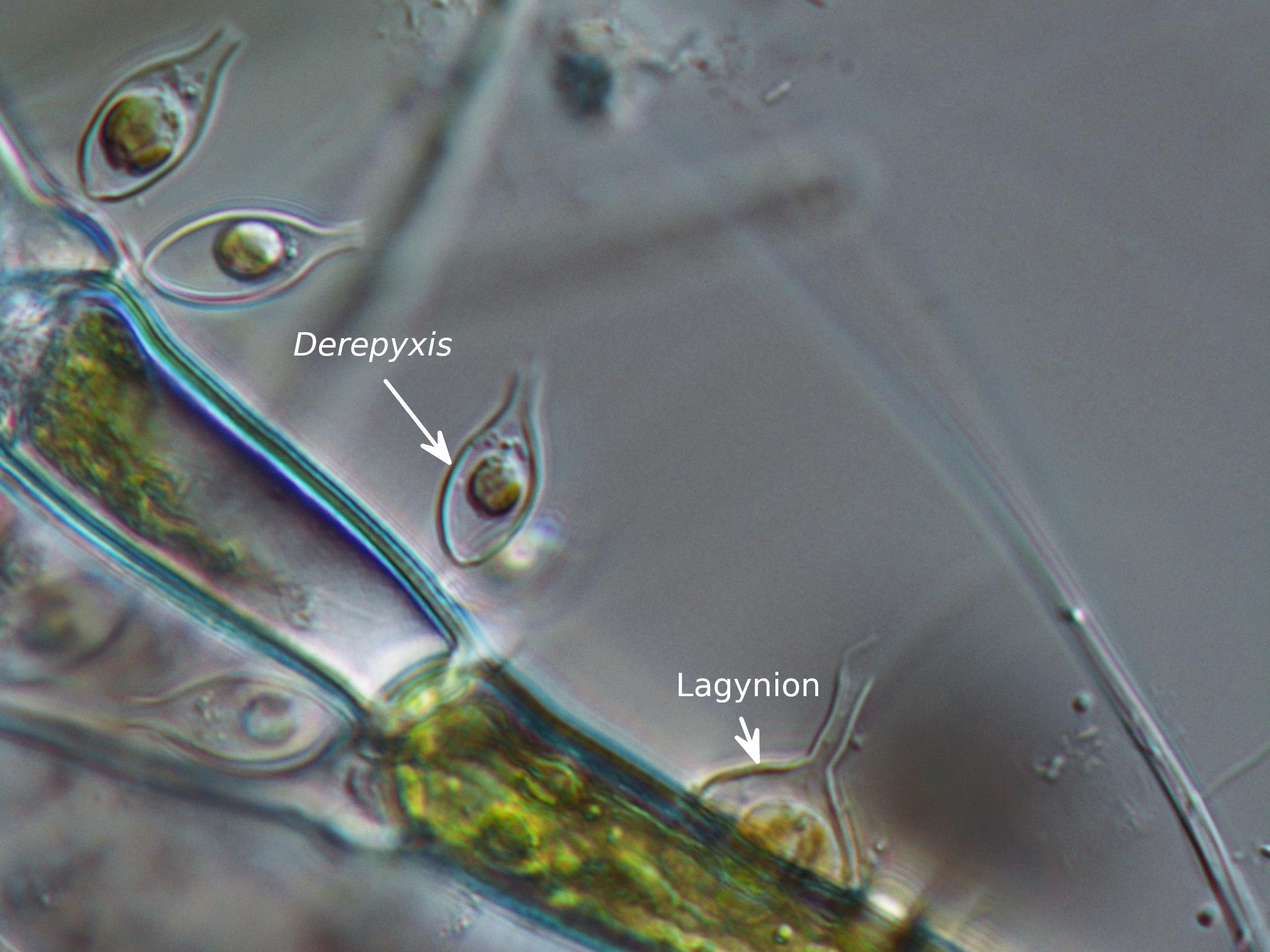
Derepyxis
E2. Lorica attached by long stipe:
Stylochrysalis
E3. Urn-shaped lorica attached to mucilage surrounding host plant by stipe that is slightly longer than the lorica:
Epipyxis aureus
E4. Lorica sessile on host plant
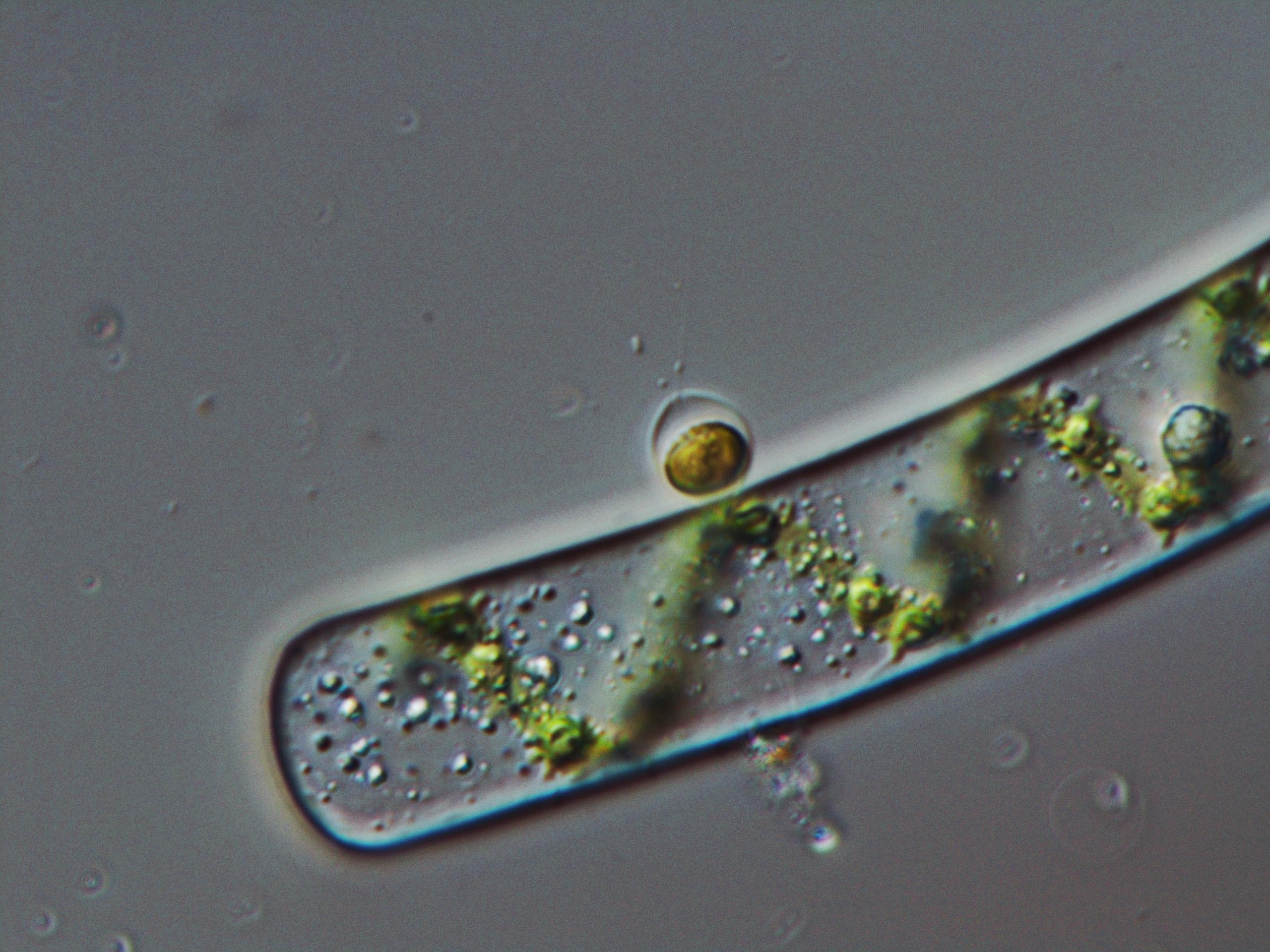
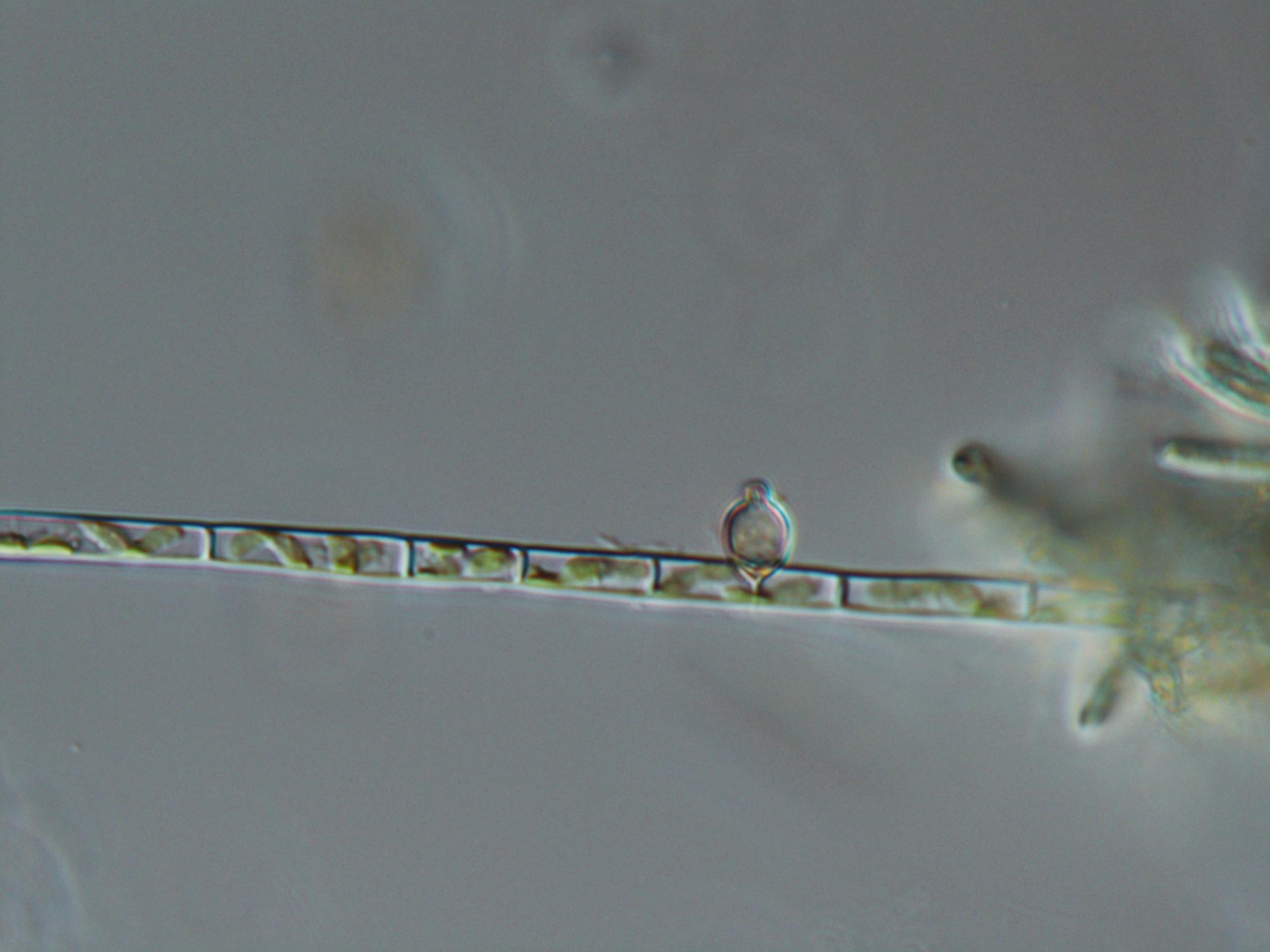
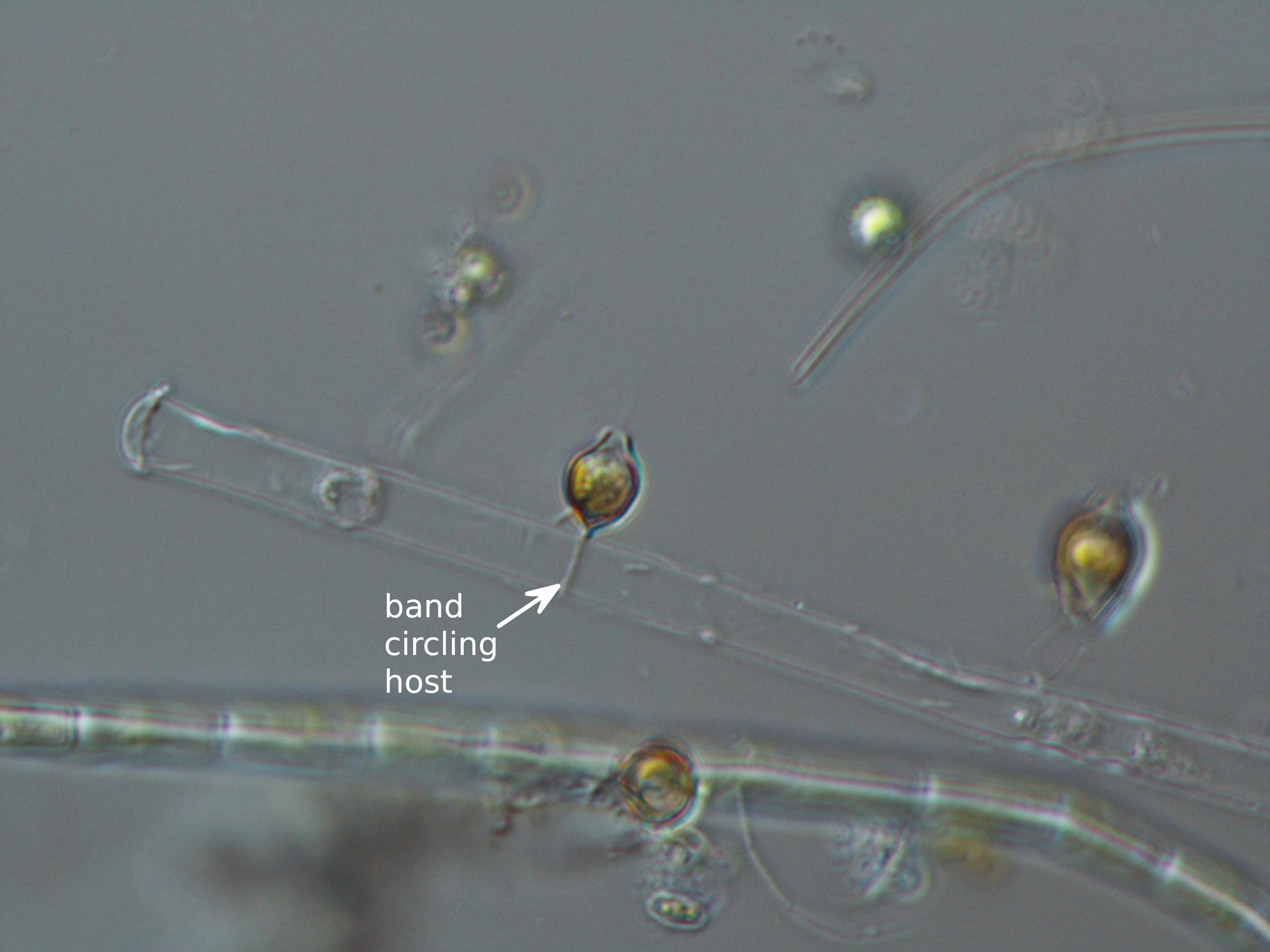
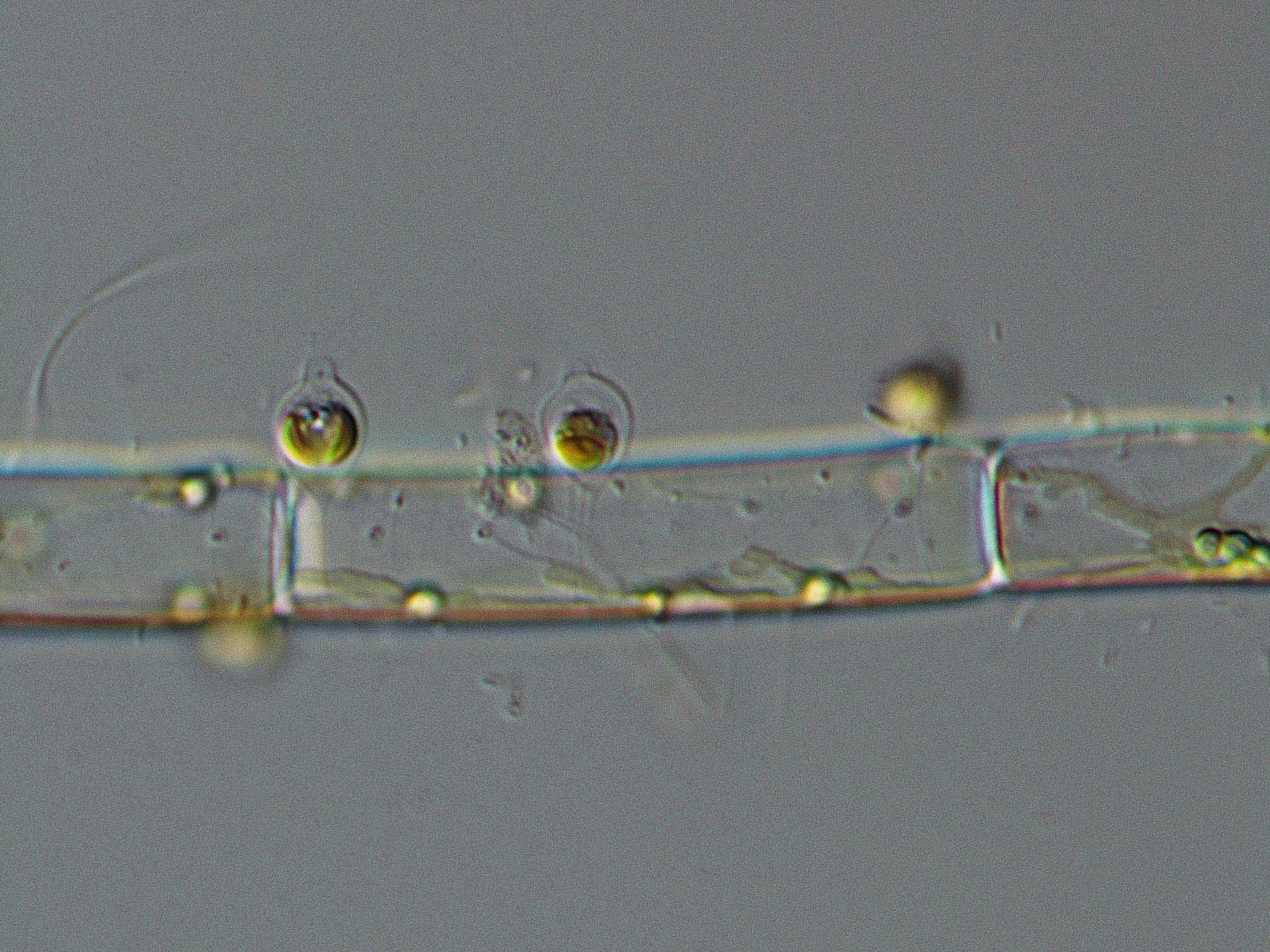
F1. Lorica attached by thin band that encircles plant substrate:
Chyrsopyxis
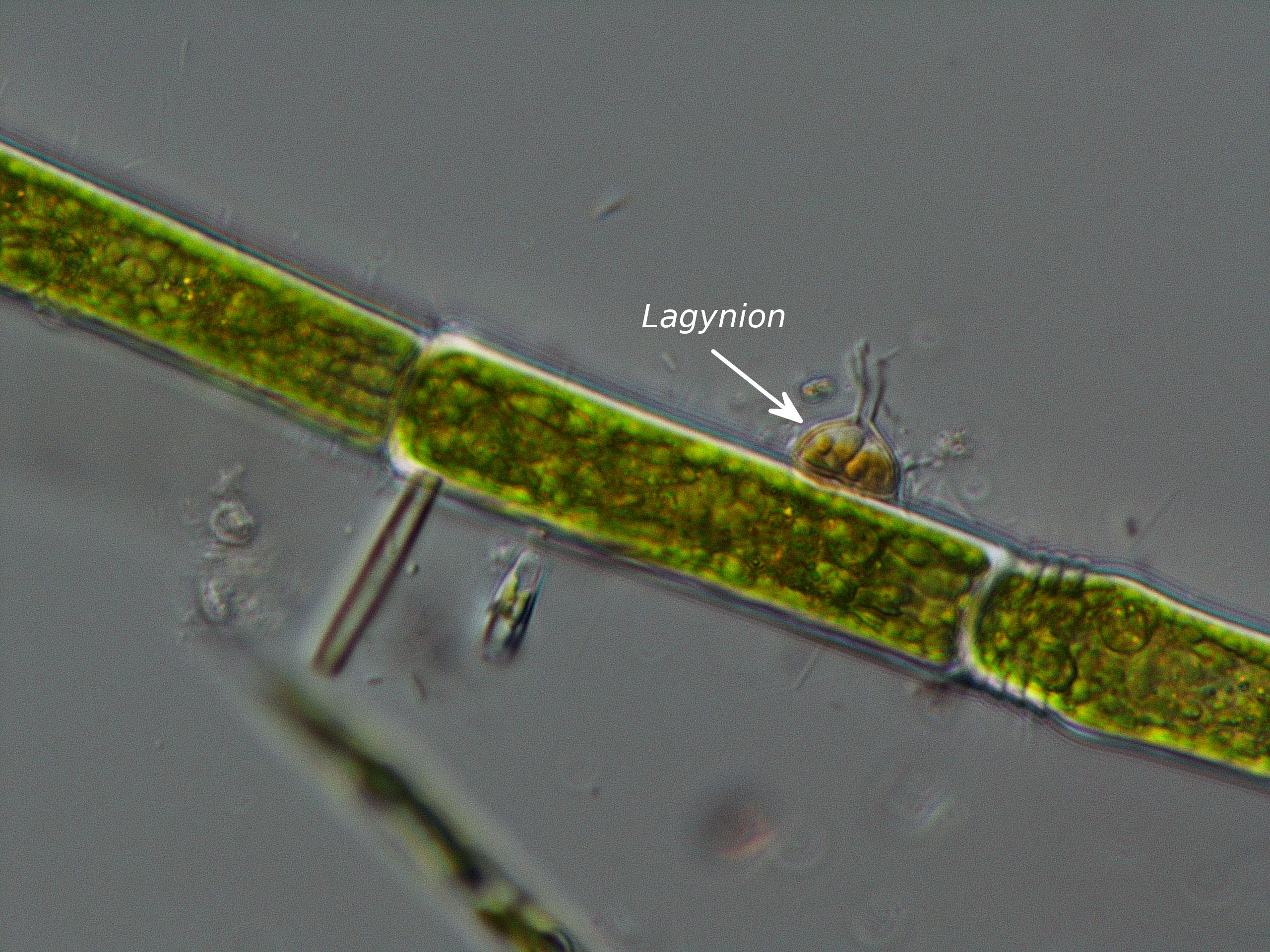
F2. Lorica sessile; cells flask-shaped, usually orange or brown:
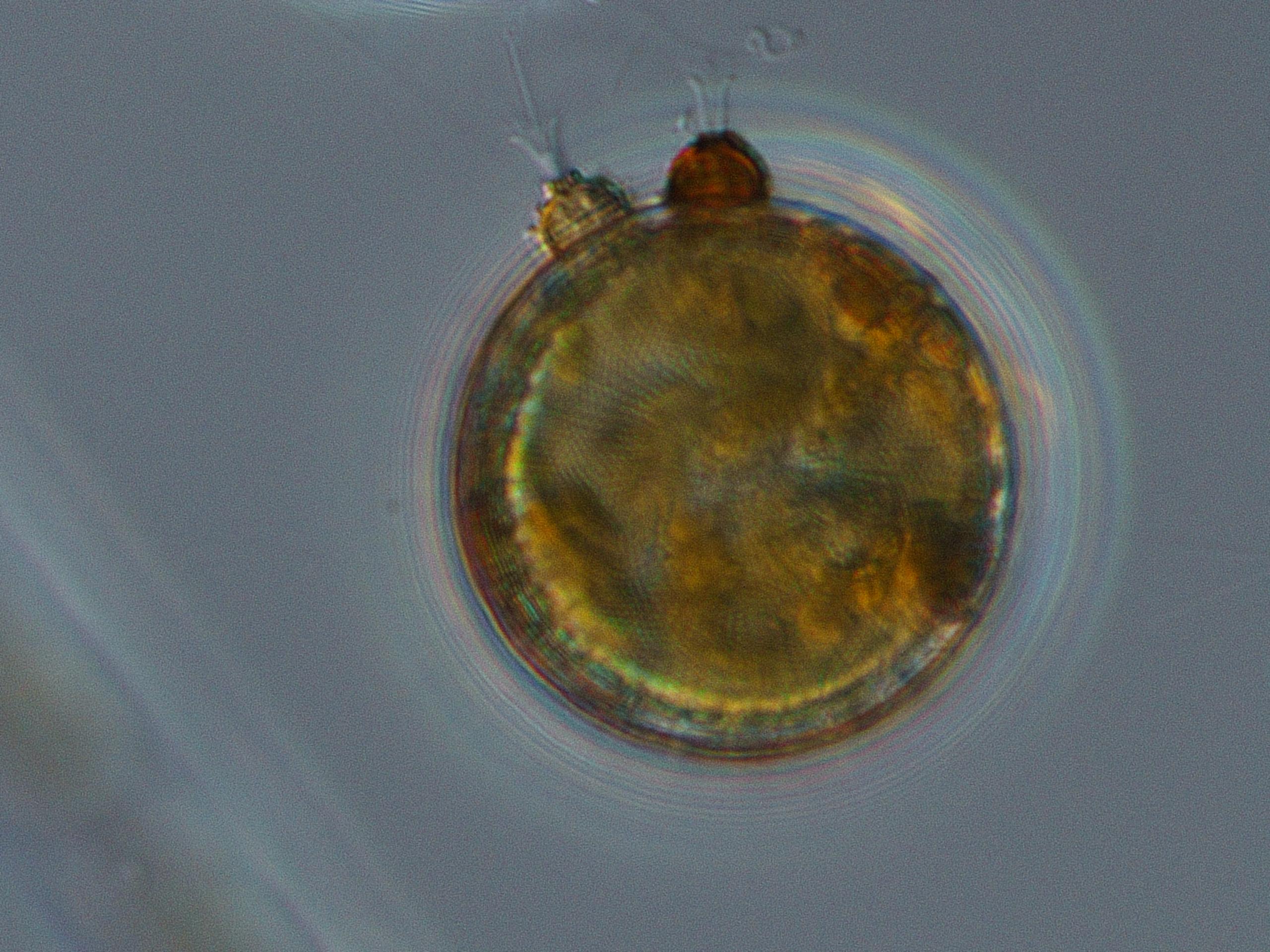
Lagynion
F3. Lorica long, cylindrical, covered with scales, usually sessile:
Epipyxis
D3. Protoplasts (living portion of cell) not enclosed in rigid lorica; cell wall may be rigid or flexible
C2. Cells, colonies, filaments or pseudofilaments attached or associated with or attached to aquatic animals (epizoic)
C3. Chlorella-like cells living inside zooplankton and other aquatic animals (endozoic):
Zoochlorella group
B2. Nonmotile solitary and colonial algae; cells not (or usually not) epiphytic, epizoic, or endozoic
B3. Nonmotile algae that form filaments or pseudofilaments
A4. Cells with paired, symmetric semi-cells:
Desmids
A5. Cells enclosed in glassy, ornamental frustules:
Diatoms