Home
Info
Splash
TextTree
A1. Nonmotile algae without chloroplasts: Cyanobacteriophyta
A2. Nonmotile algae with chloroplasts
B1. Cells usually solitary
C1. Thick walled cells produced at end of growth cycle; usually found with decomposing vegetative cells of the same species:
Cysts, zygotes, and other resting cells
C2. Cells spherical, broadly oval, or lemon shaped in outline
C3. Cells cylindrical, fusiform, or crescent-shaped in outline
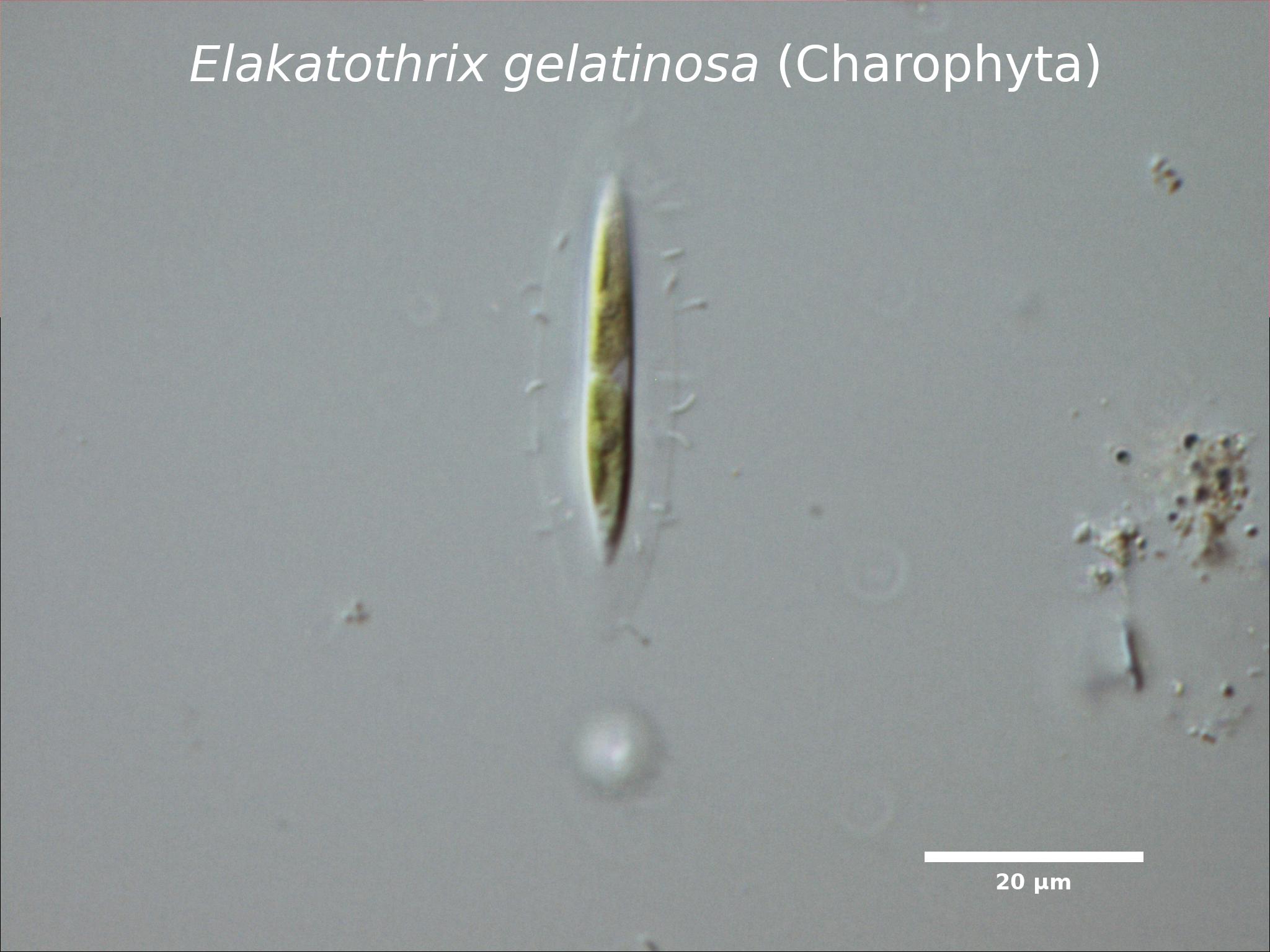
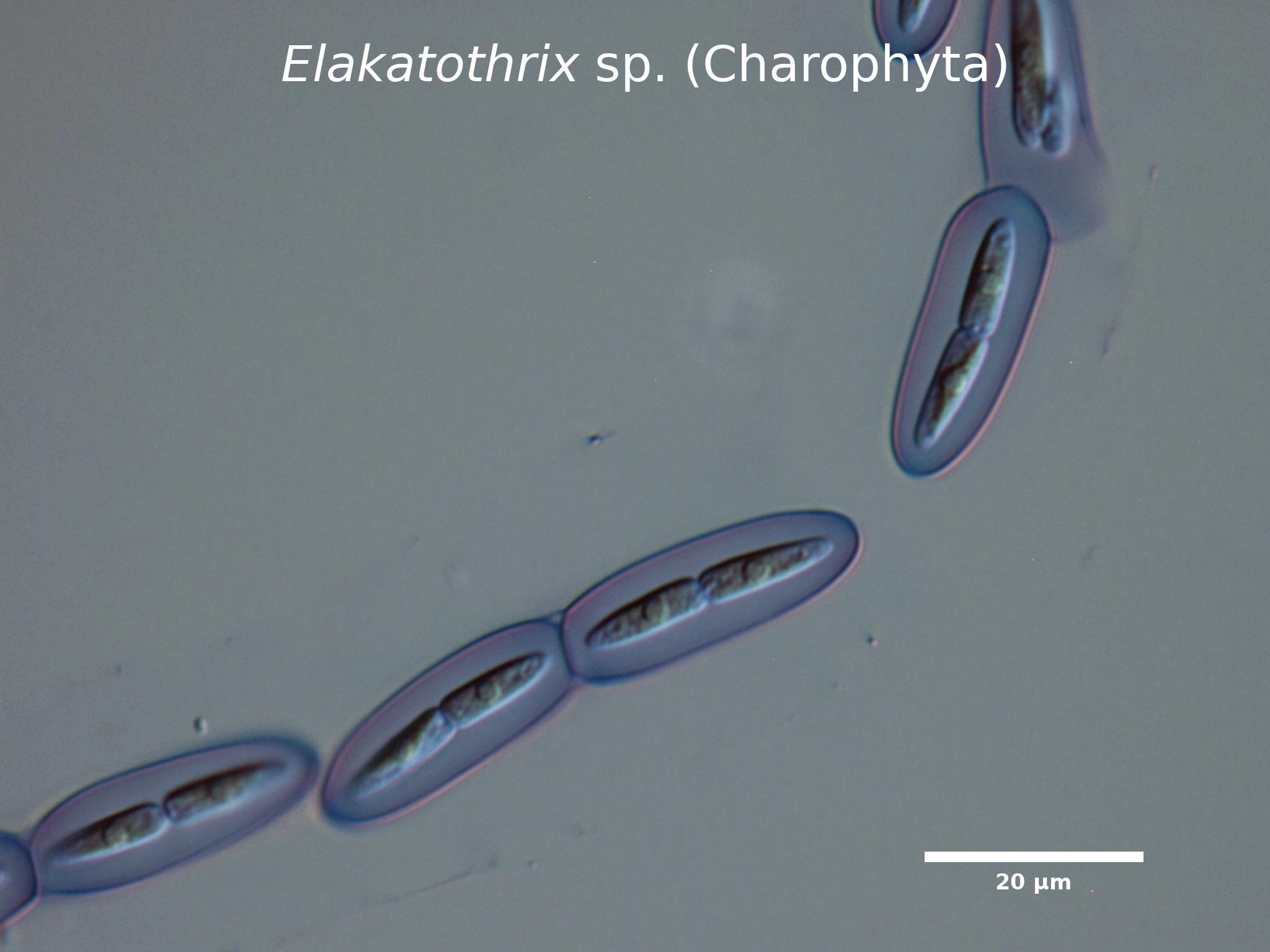
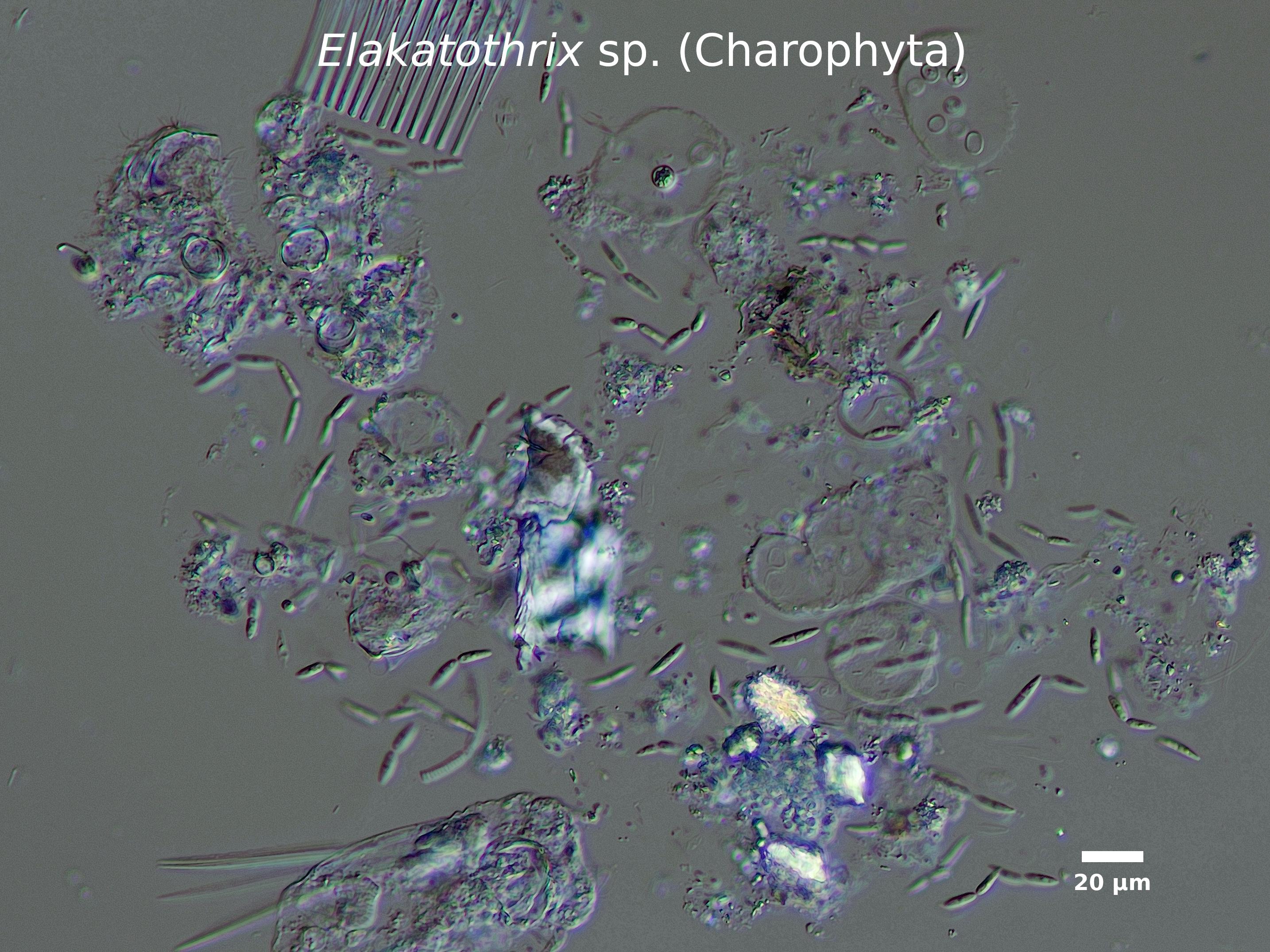
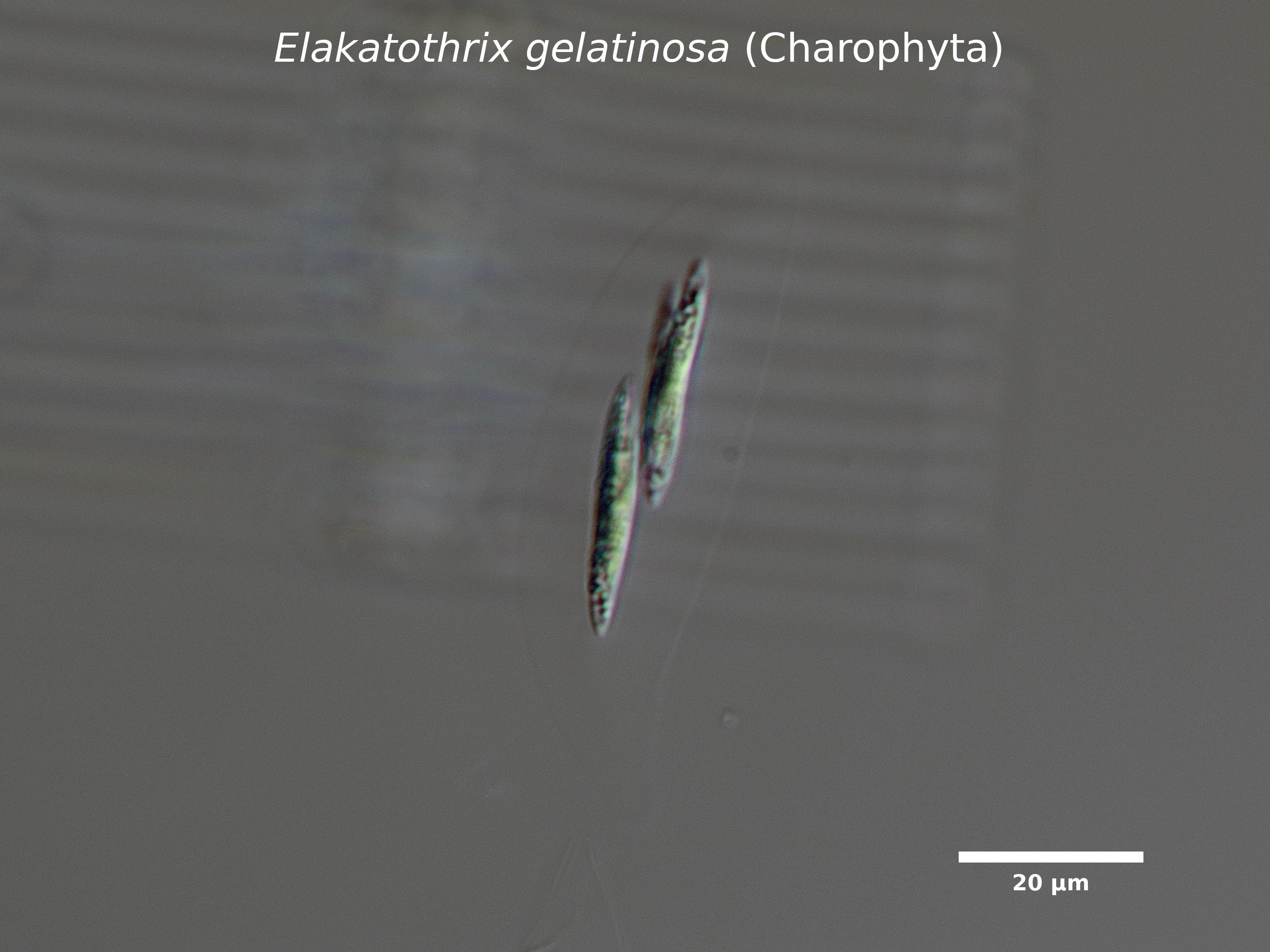
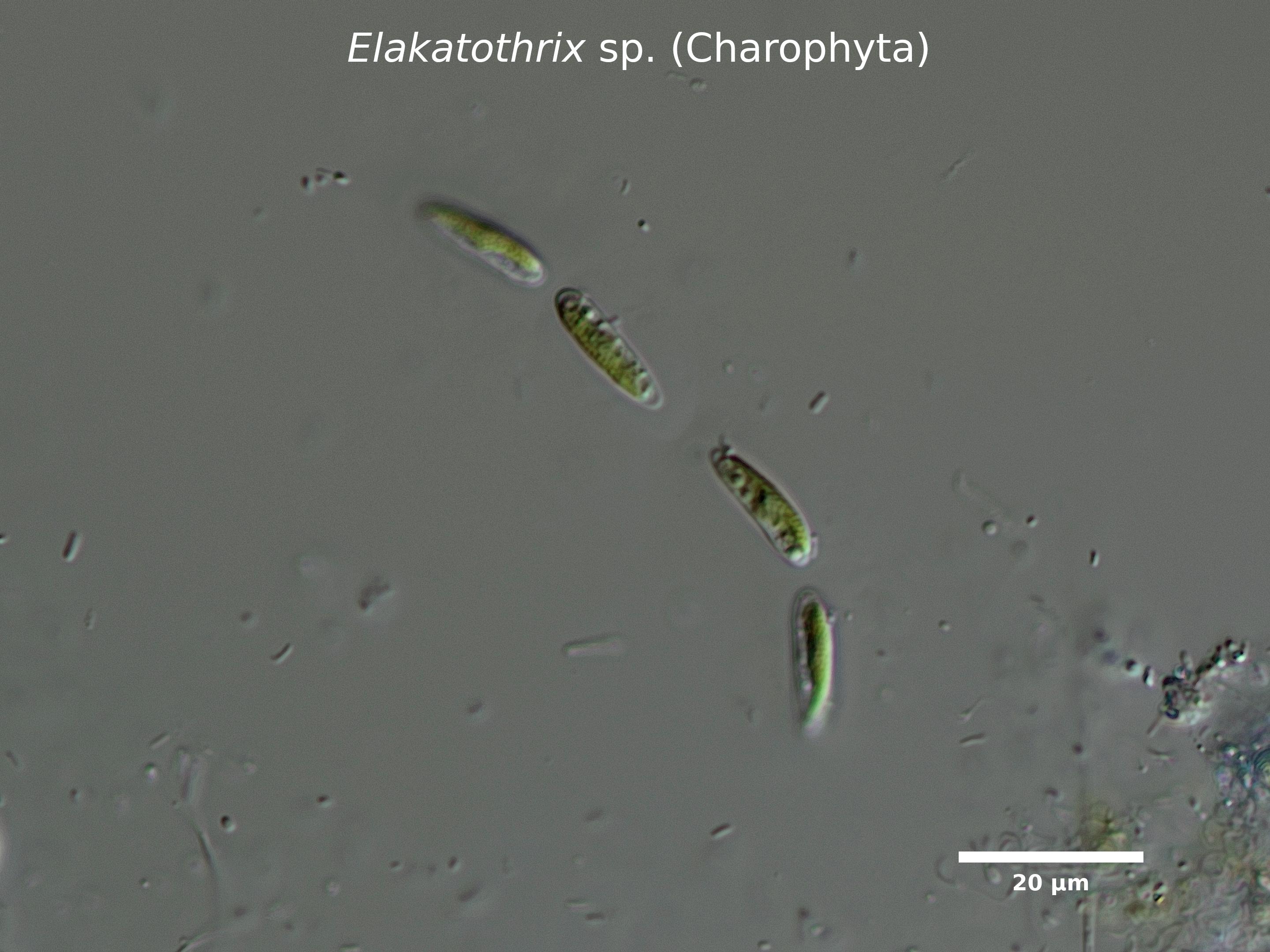
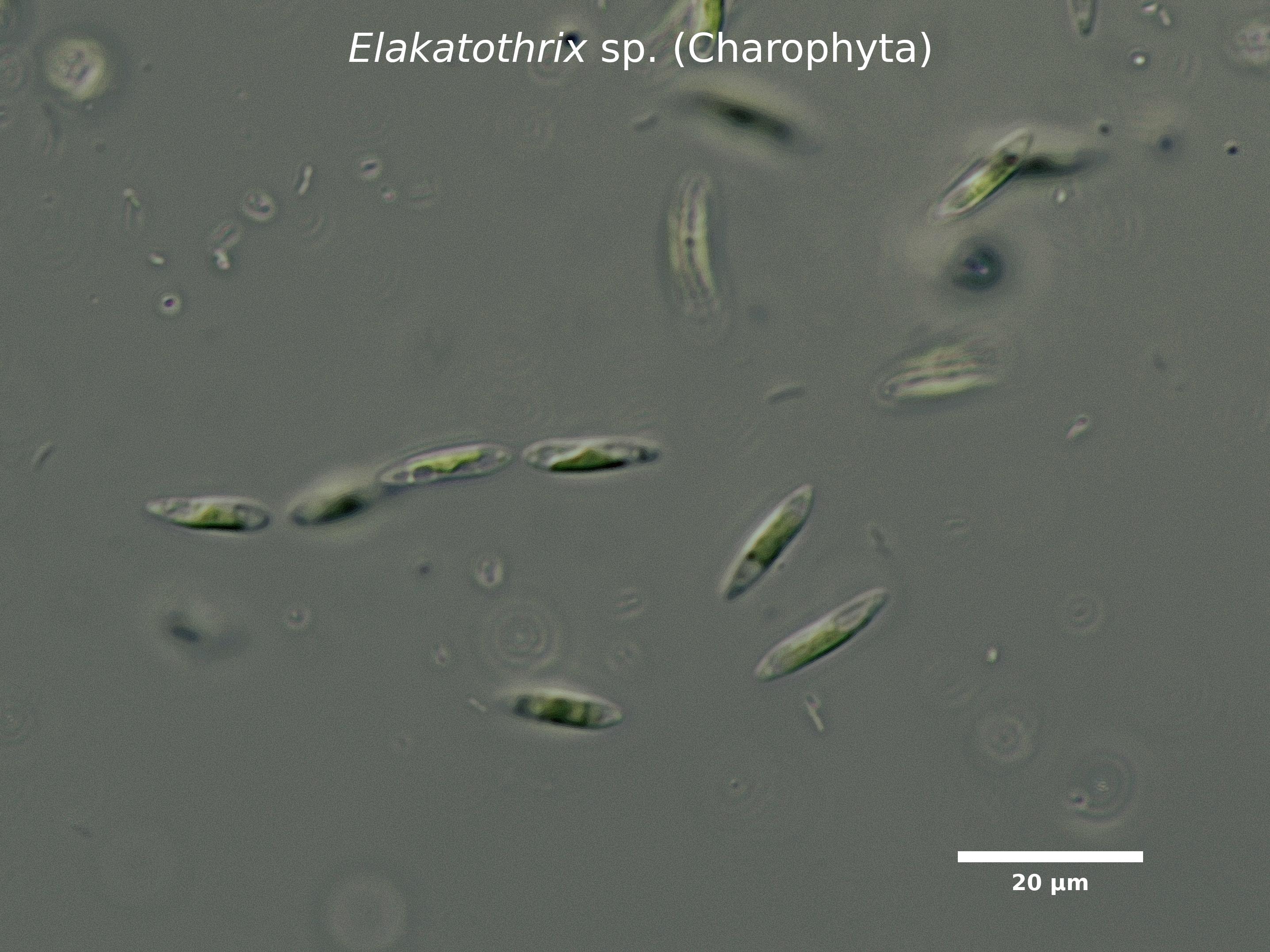
D1. Cells broadly or narrowly fusiform; occasionally solitary but usually in small groups or short pseudofilaments; cells enclosed in lens-shaped or elliptical mucilage:
Elakatothrix
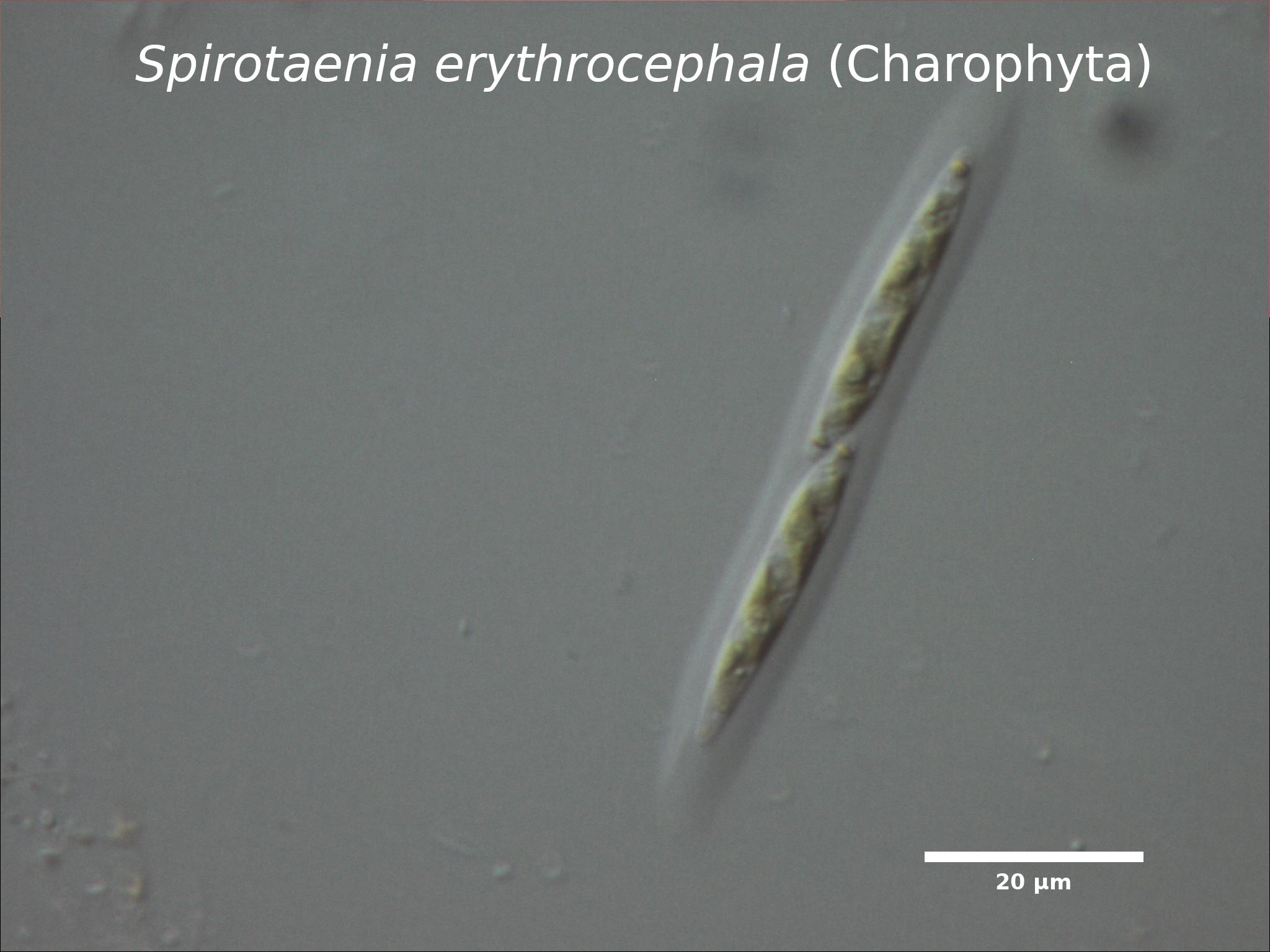
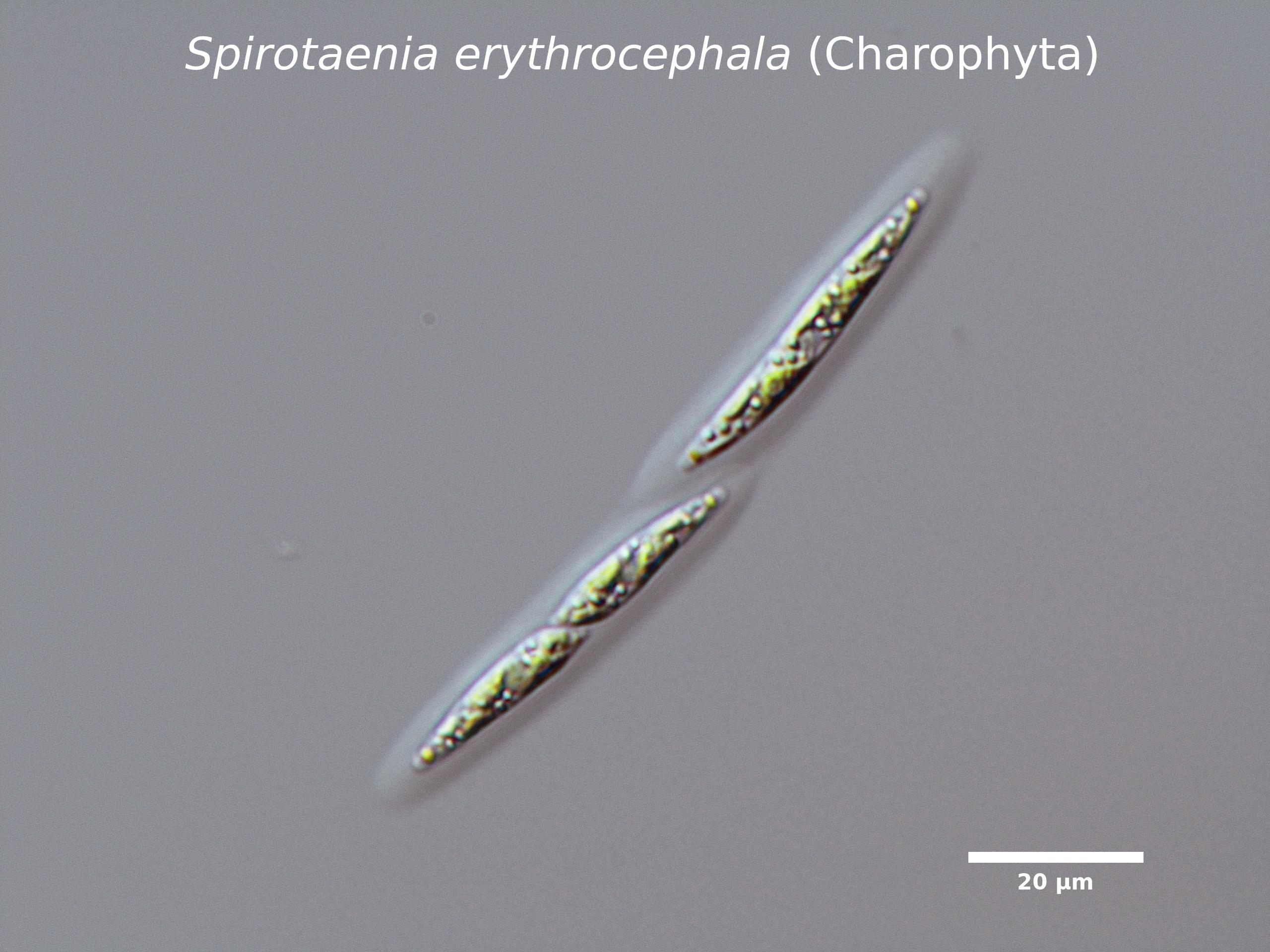
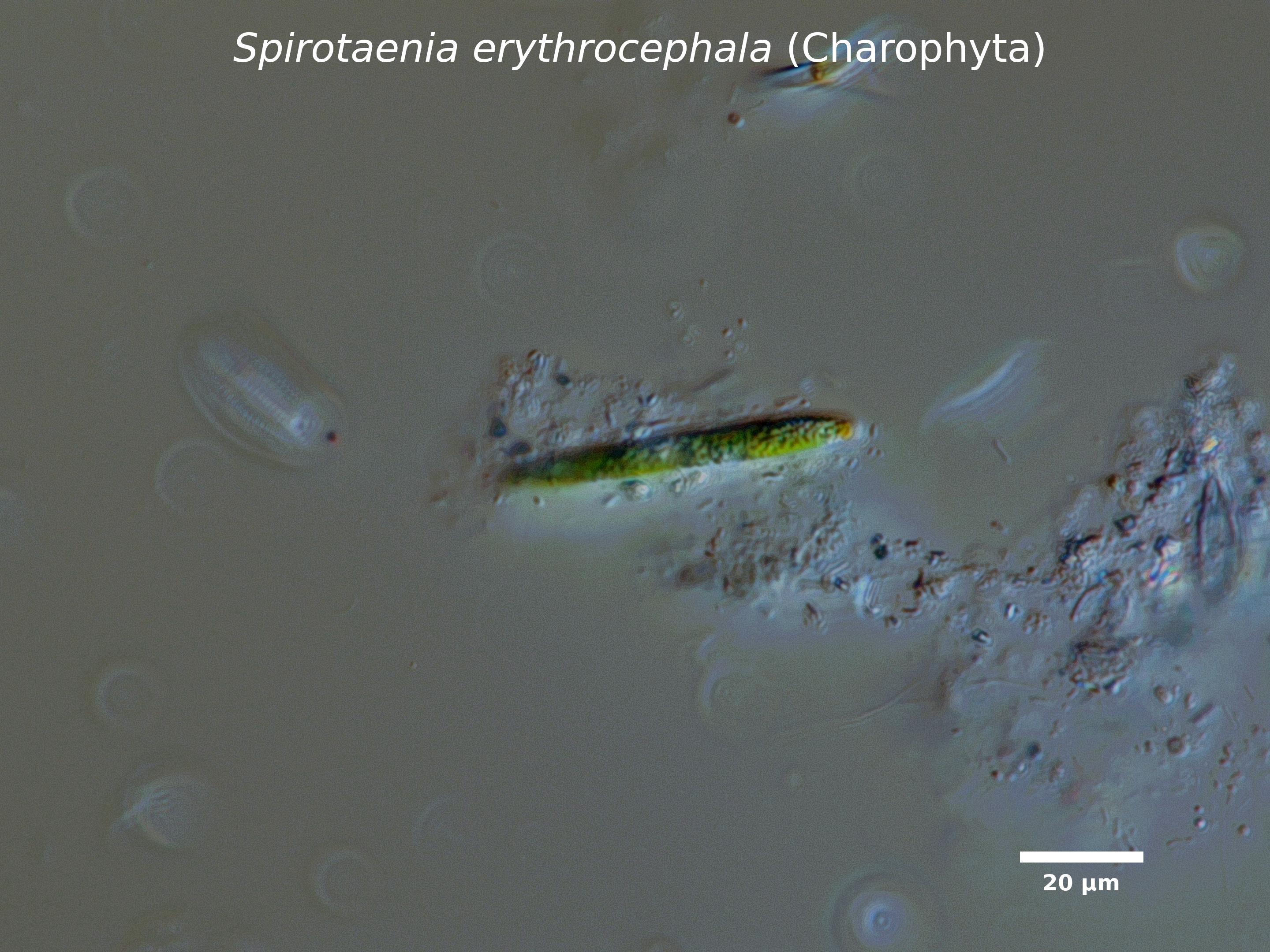
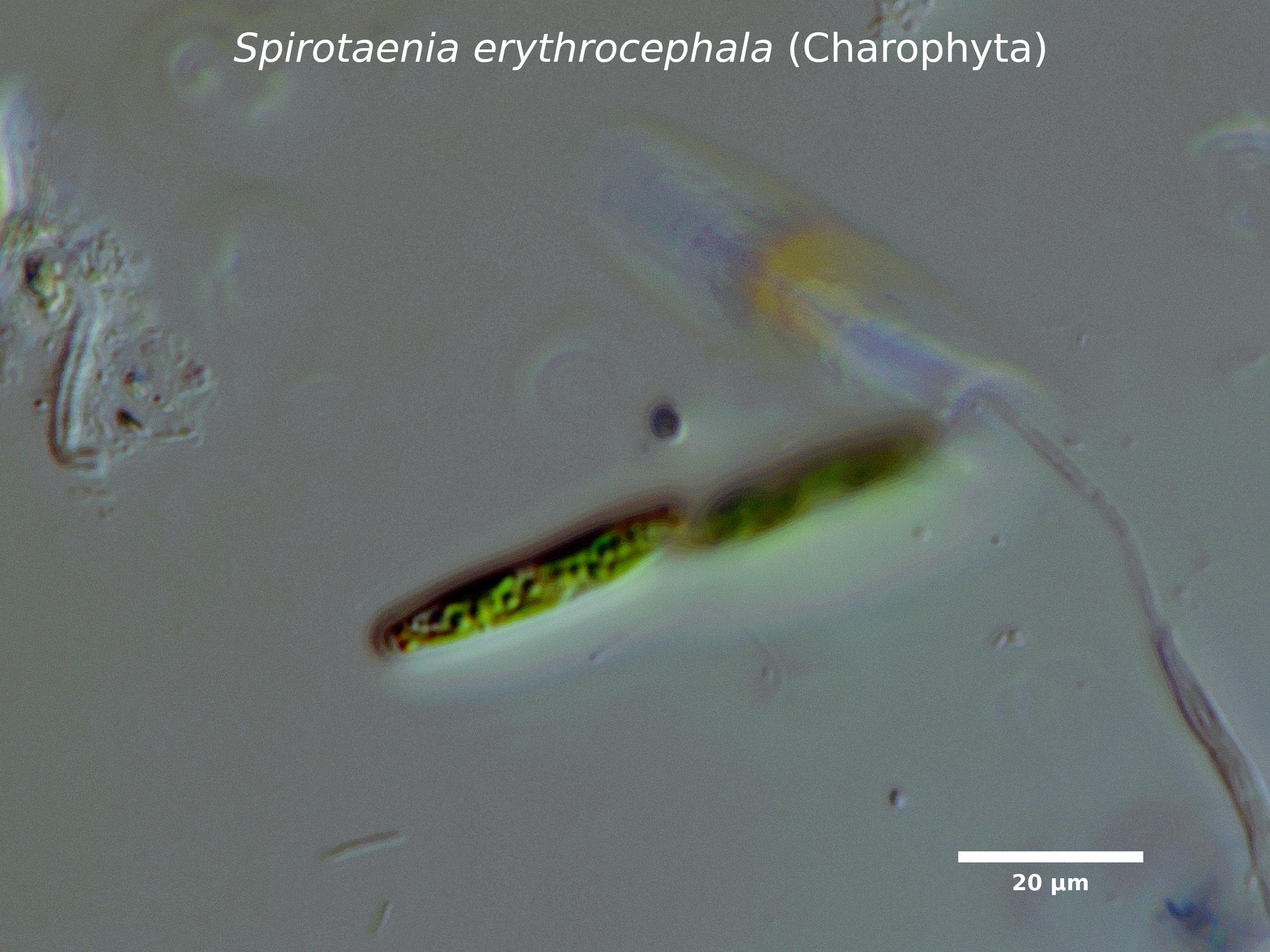
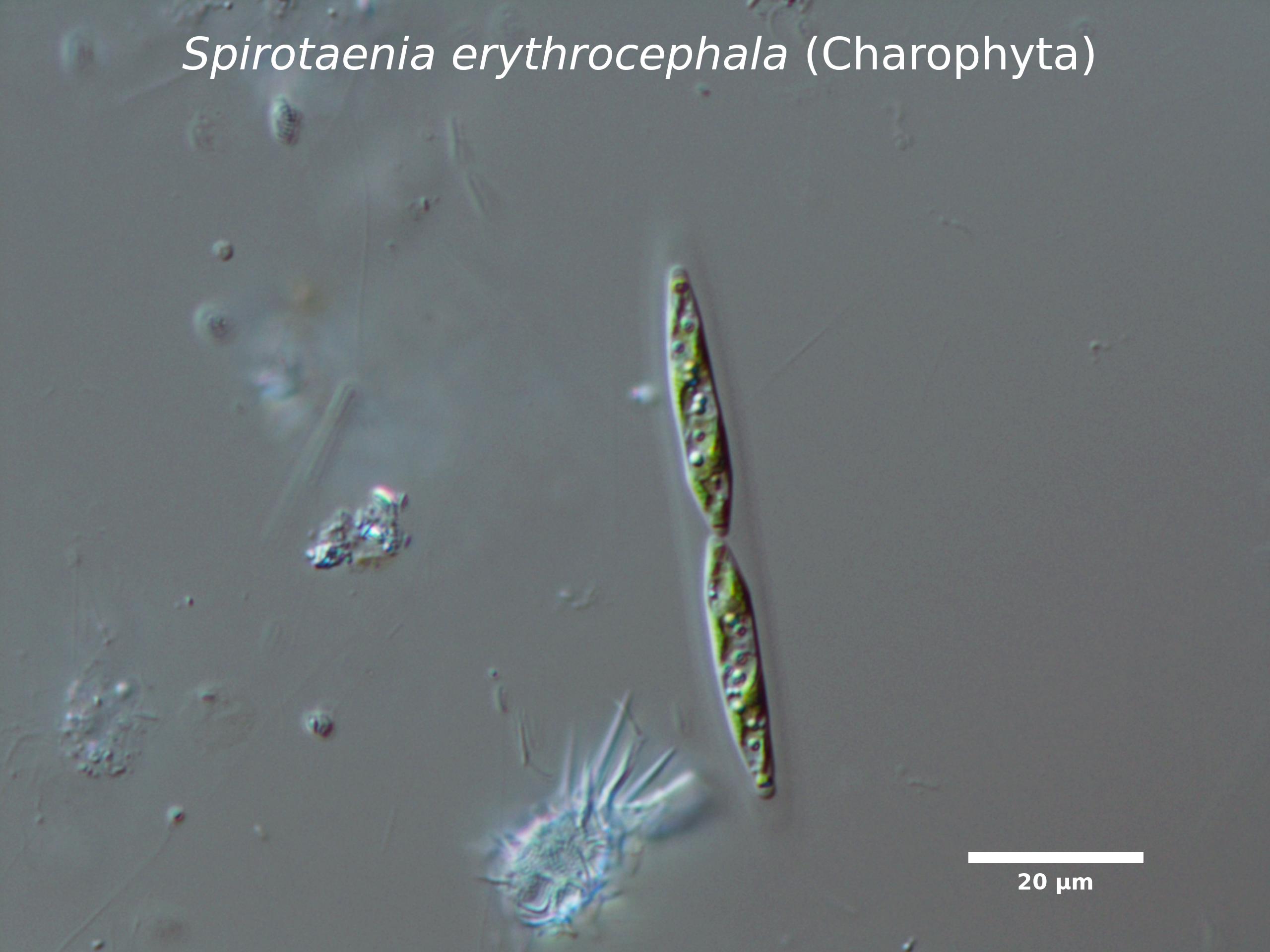
D2. Cells broadly fusiform or cylindrical; dense chloroplast with reddish end caps:
Spirotaenia
and
Tortitaenia
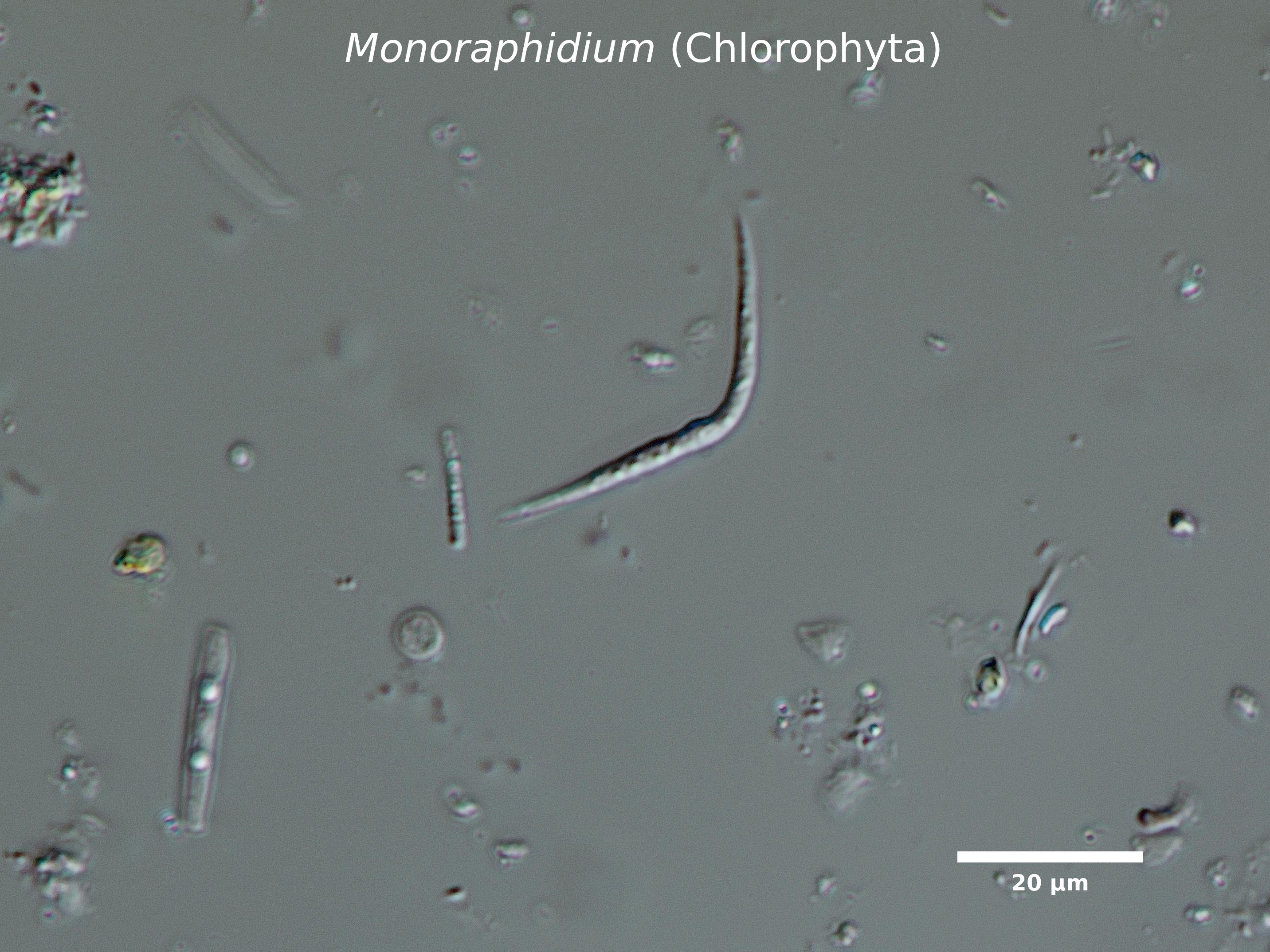
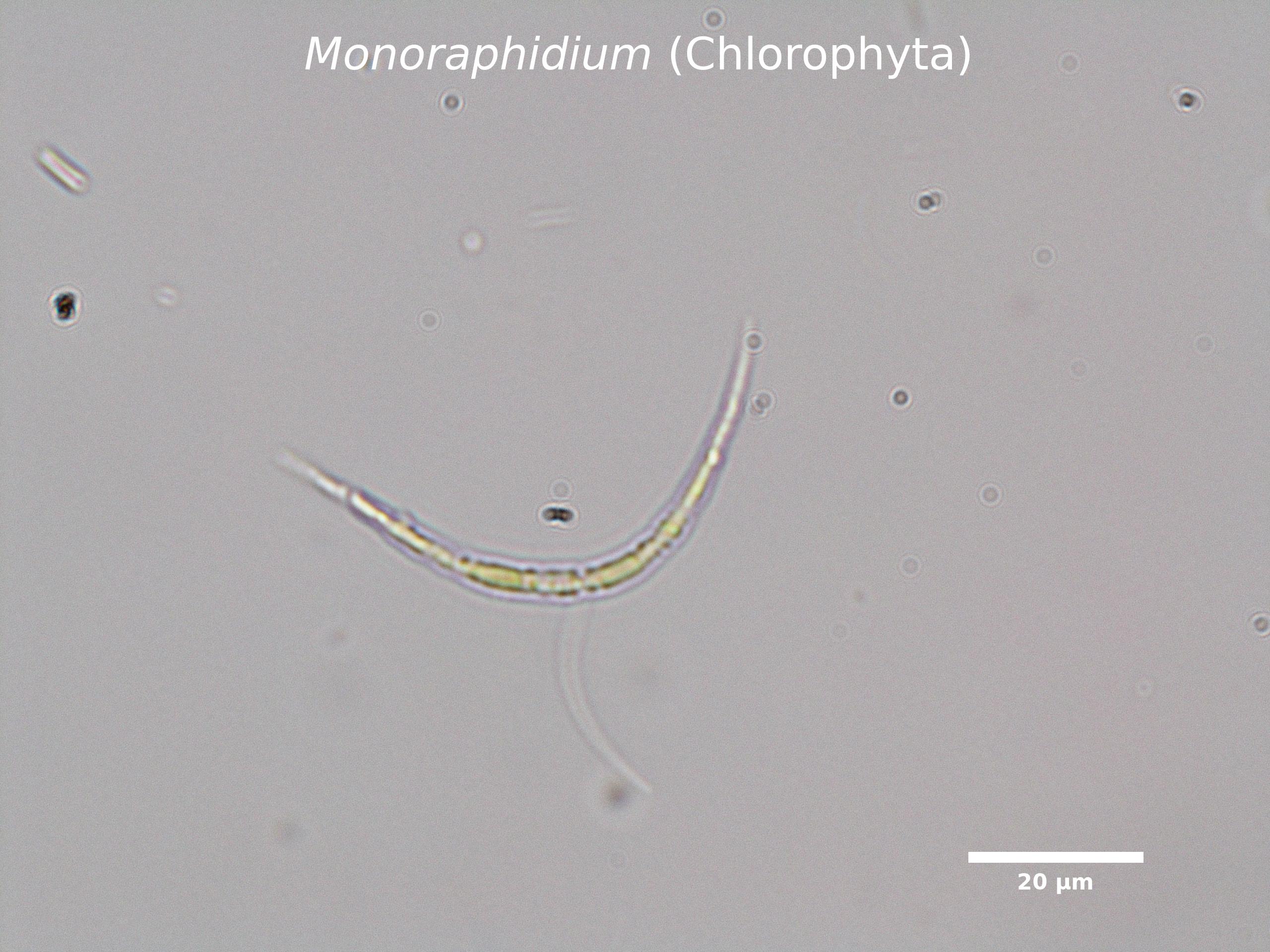
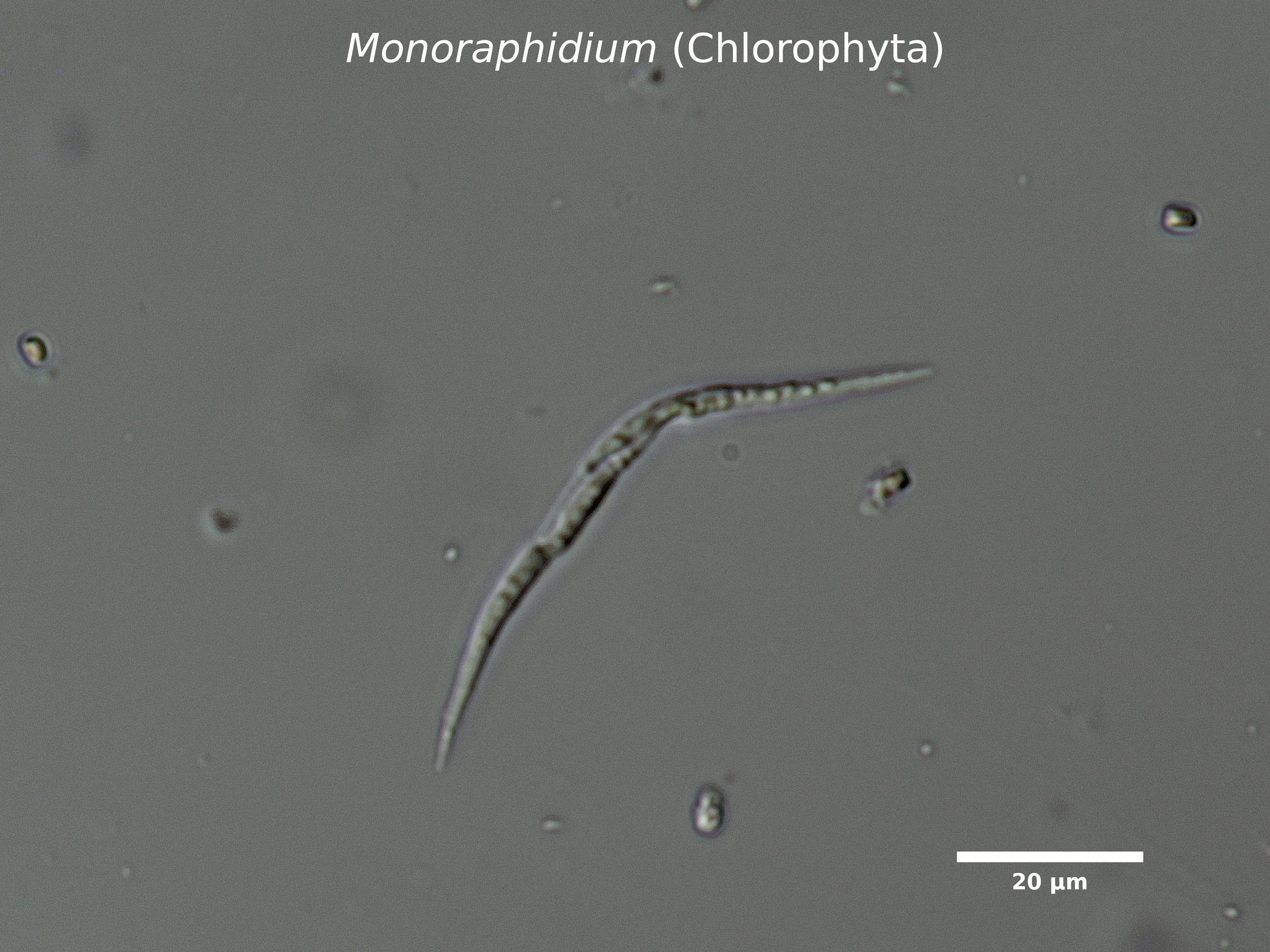
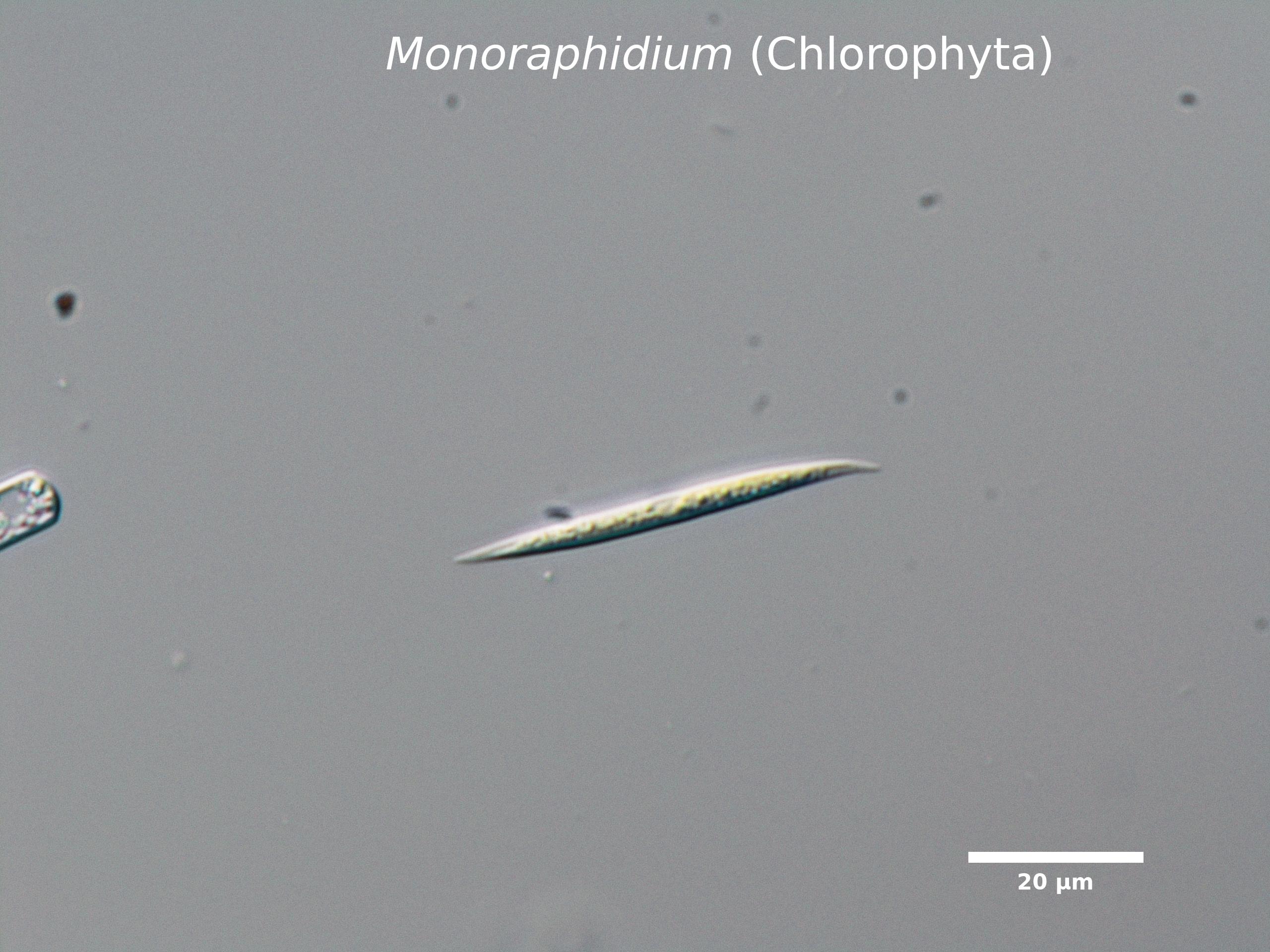
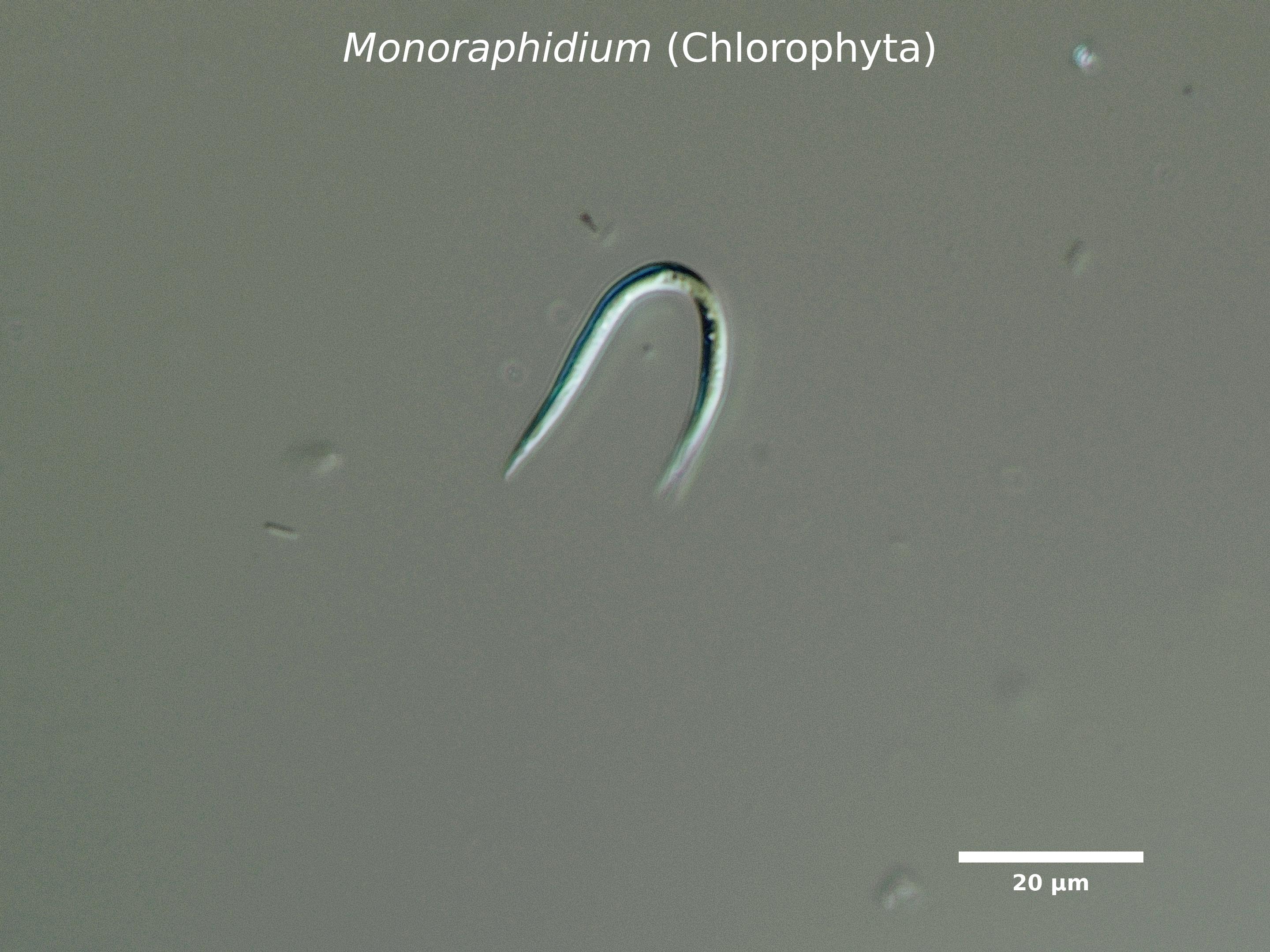
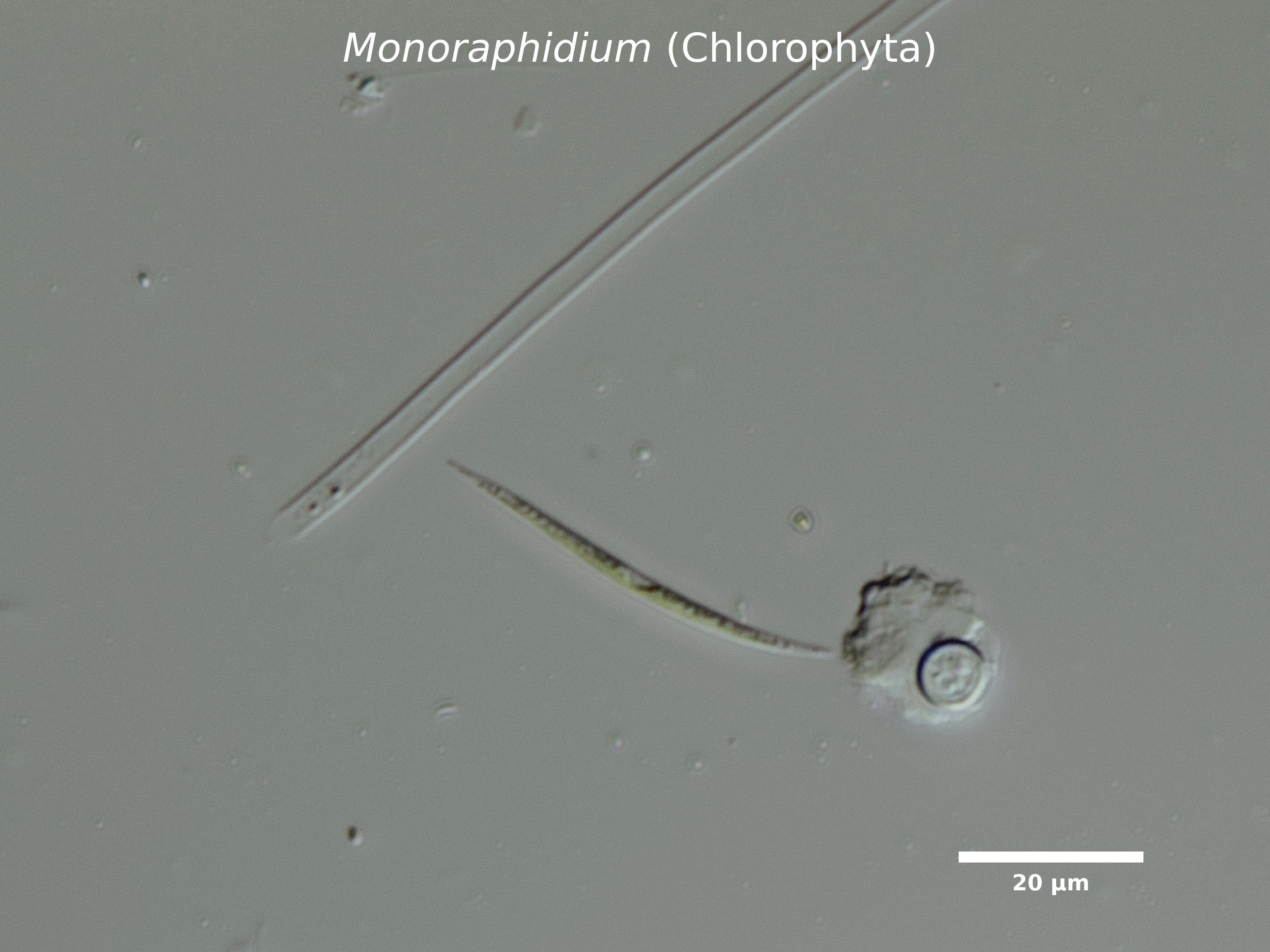
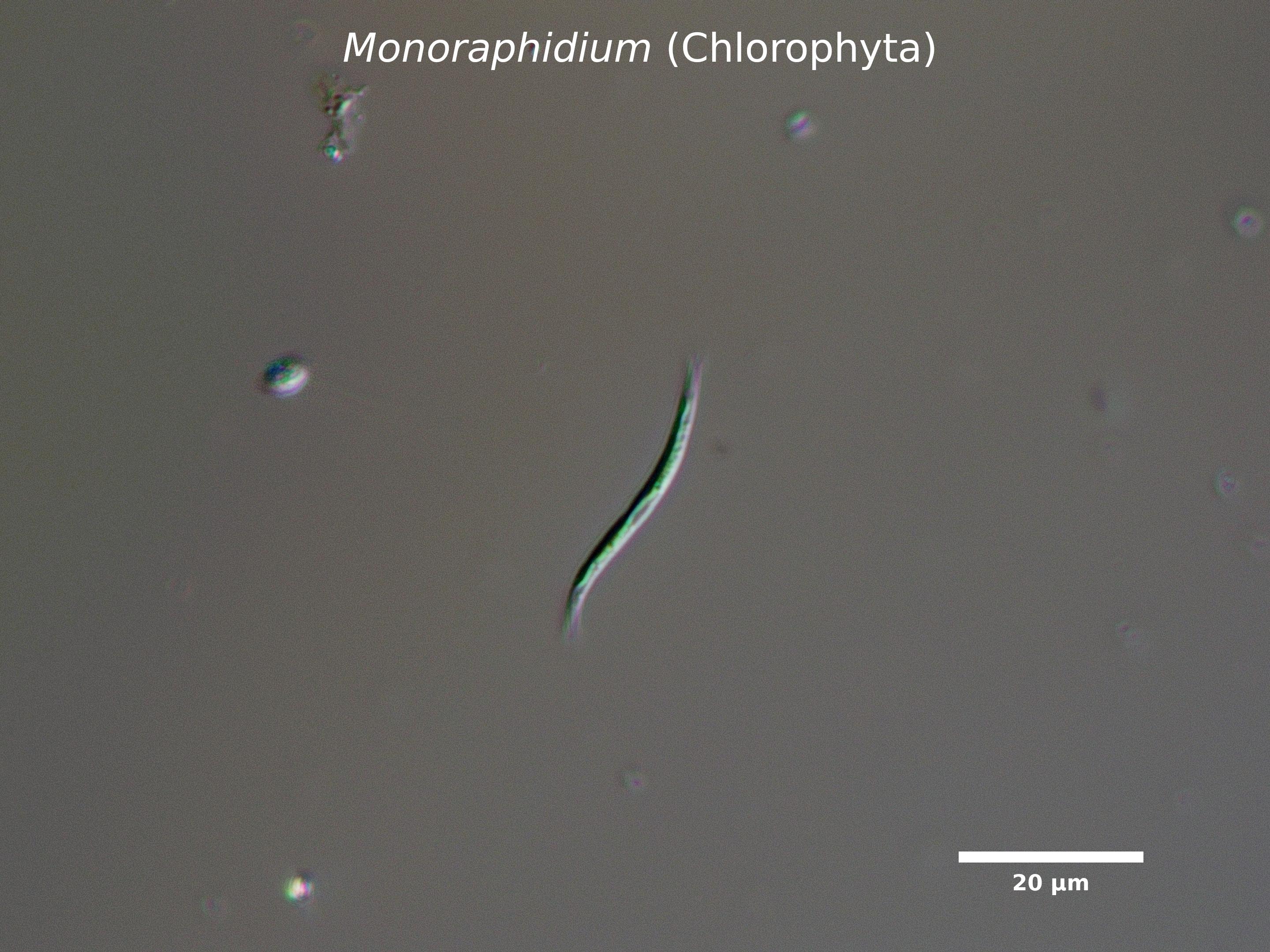
D3. Cells narrowly fusiform; solitary; lacking any visible mucilage layer; may form blooms:
Koliella
,
Monoraphidium
,
Schroederia
, and similar
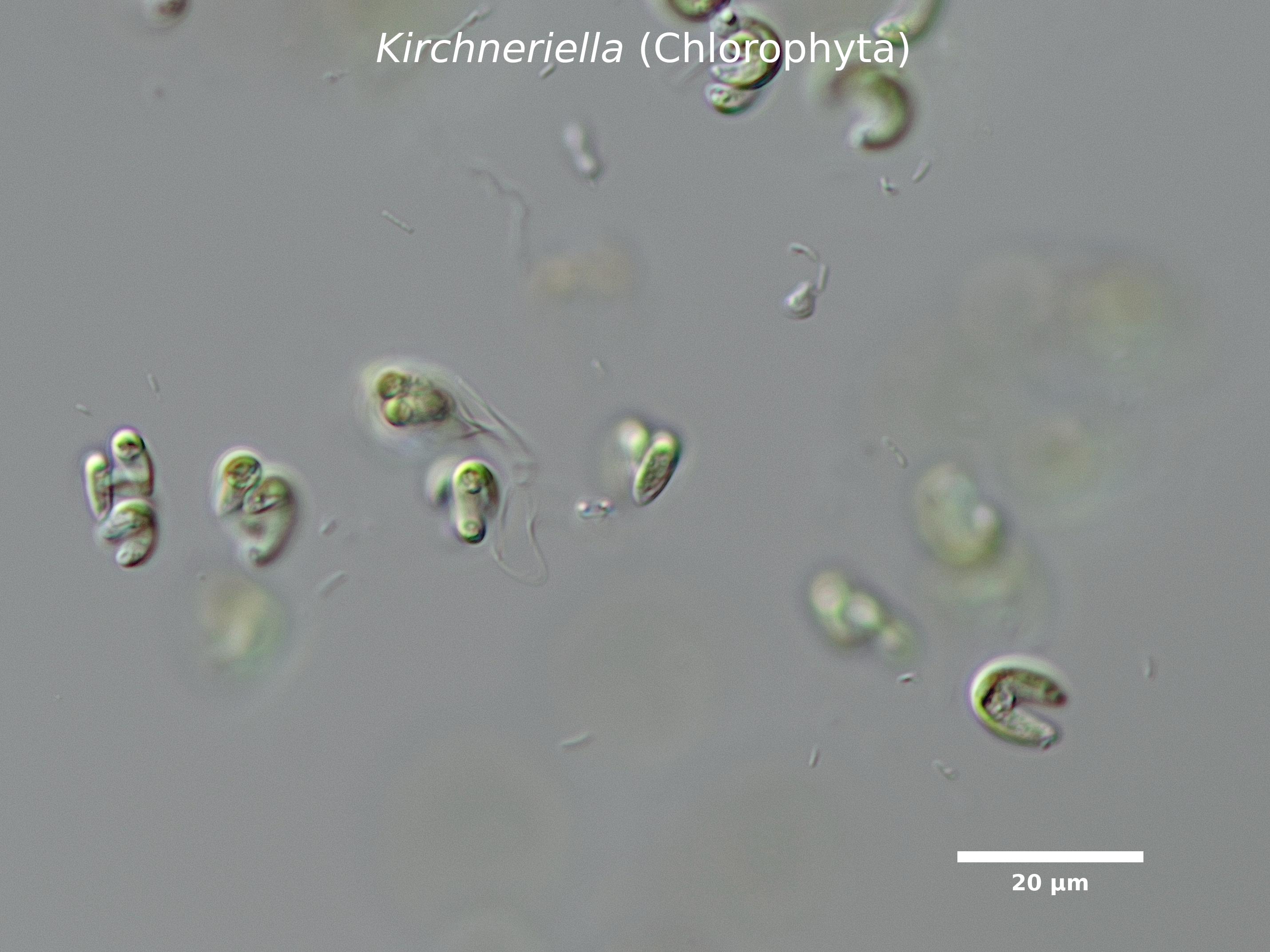
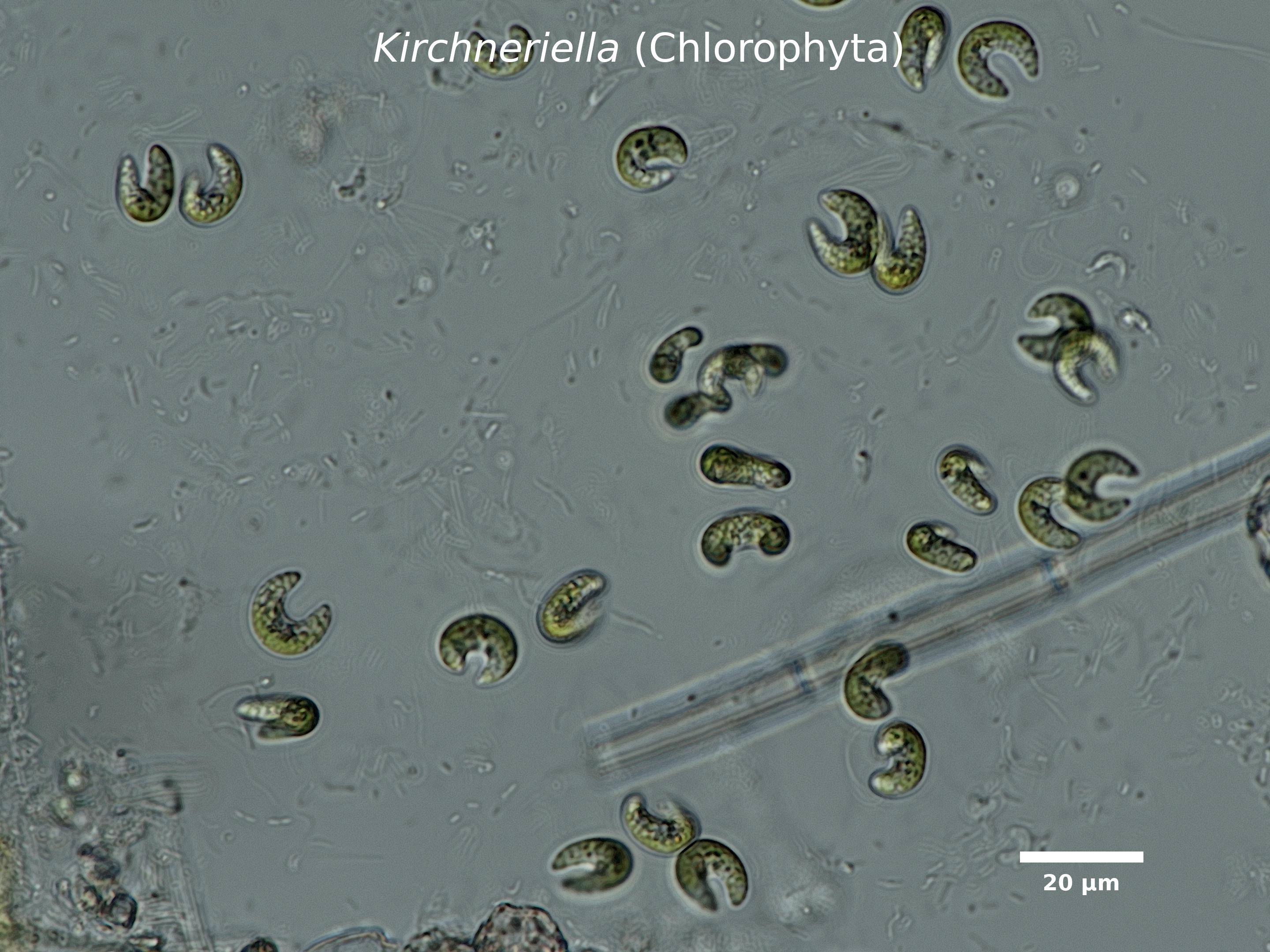
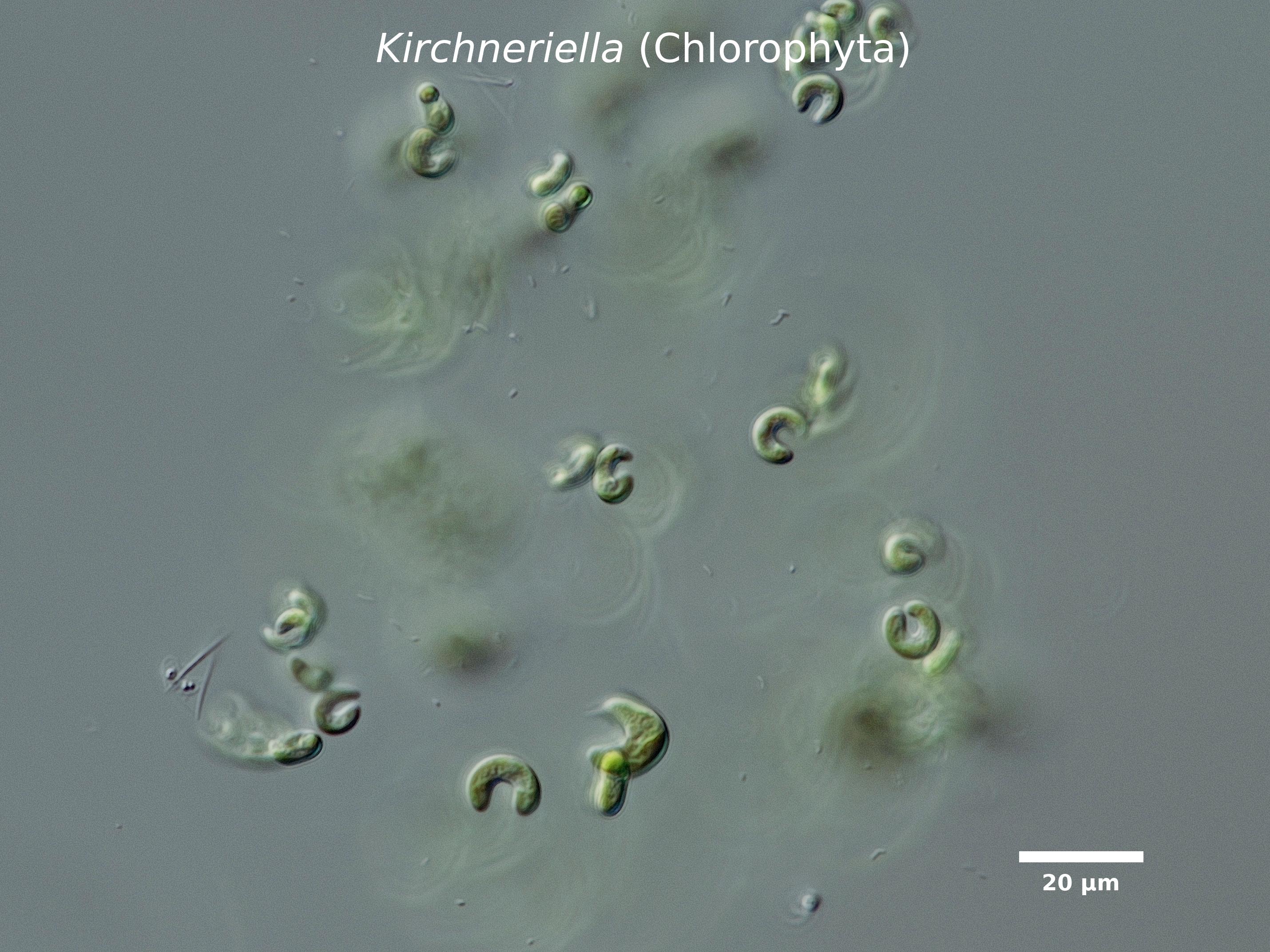
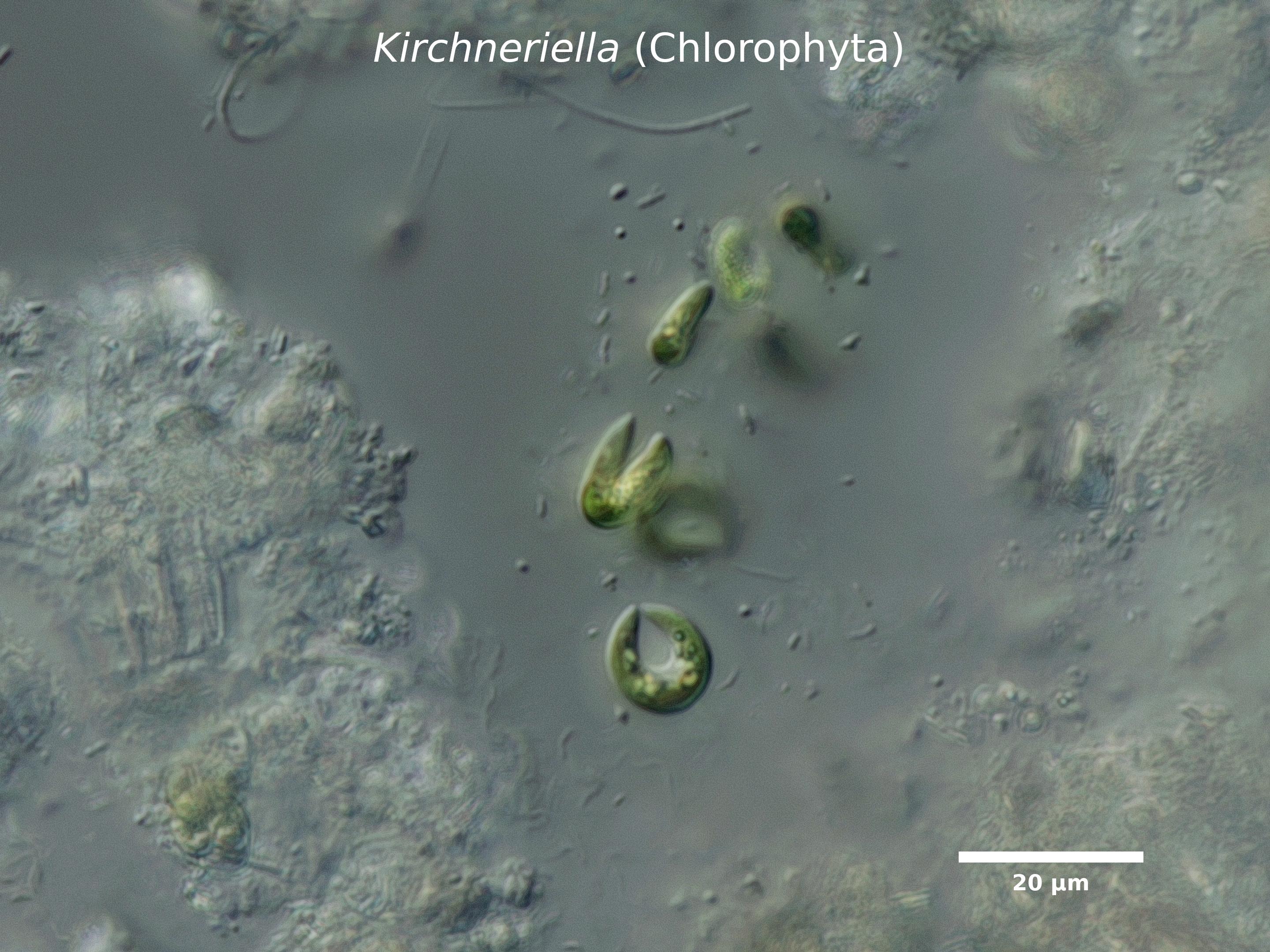
D4. Cells broadly crescent-shaped with rounded or bluntly acute apices; occasionally solitary but usually loosely distributed in colony surrounded by indistinct mucilage (visible if stained):
Kirchneriella
C4. Cells angular in outline; three or four sided, flattened
B2. Nonmotile colonies with two or more cells
B3. Filamentous algae including pseudofilaments (see epiphyte links for epiphytic filaments)
B4. Cells living inside zooplankton or other aquatic animals (endozoic) or attached to aquatic plants (epiphytic)
A3. Motile algae with chloroplasts and flagella
A4. Cells divided into paired semi-cells that are approximate mirror images of each other:
Desmids
A5. Cells enclosed in glassy, ornamental frustules; many species exhibit gliding movement:
Diatoms