Home
Info
Splash
TextTree
A1. Nonmotile algae without chloroplasts: Cyanobacteriophyta
A2. Nonmotile algae with chloroplasts
A3. Motile algae with chloroplasts and flagella
B1. Solitary motile algae
C1. Cells with one visible flagellum
C2. Cells with two equal length flagella
C3. Cells with 2 dissimilar flagella
D1. Cells slipper-shaped, oval, teardrop-shaped; asymmetric; two nearly equal flagella inserted below apex (subapical):
Cryptomonads
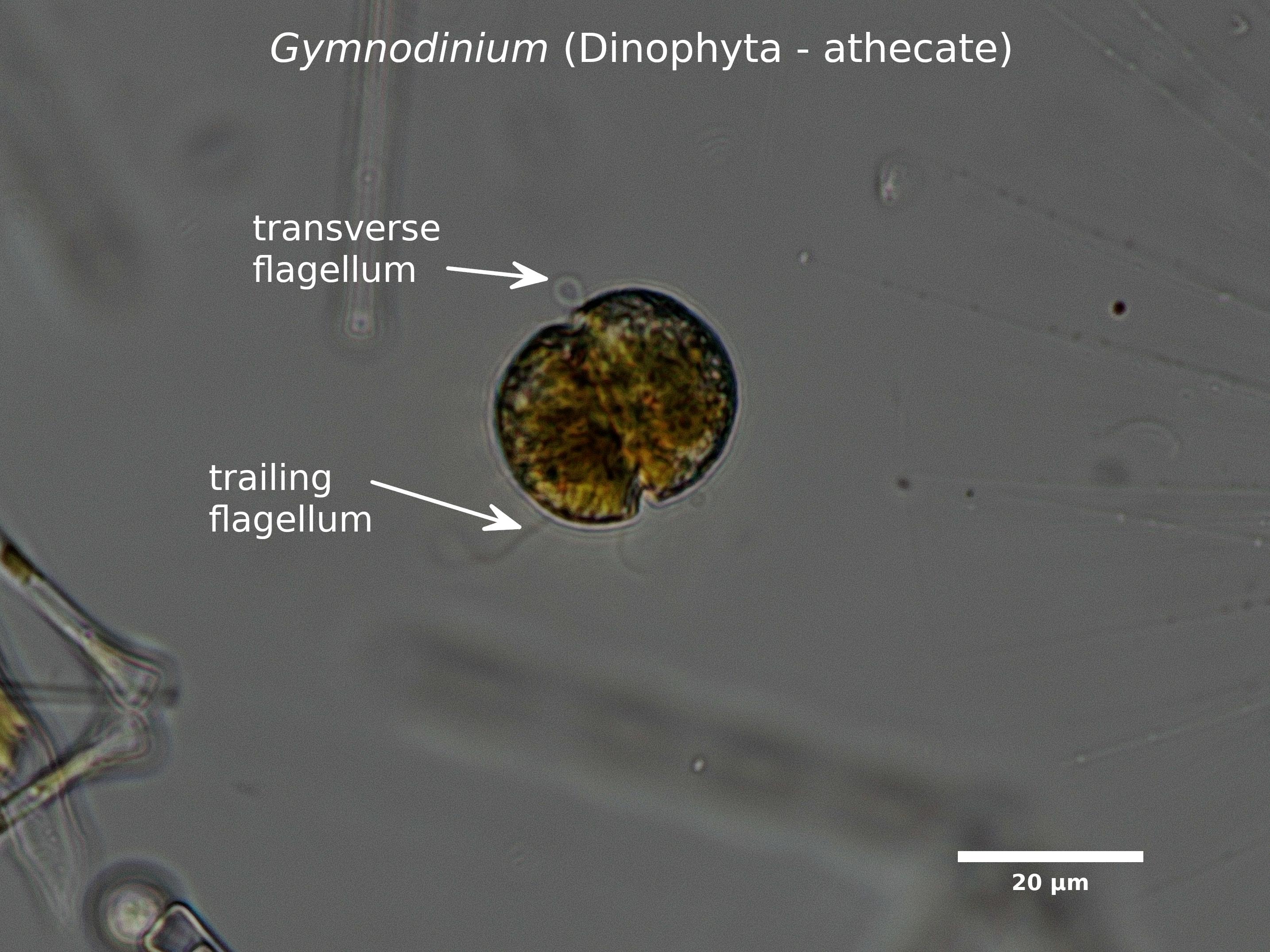
D2. Cells with one transverse and one trailing flagellum (Dinoflagellates)
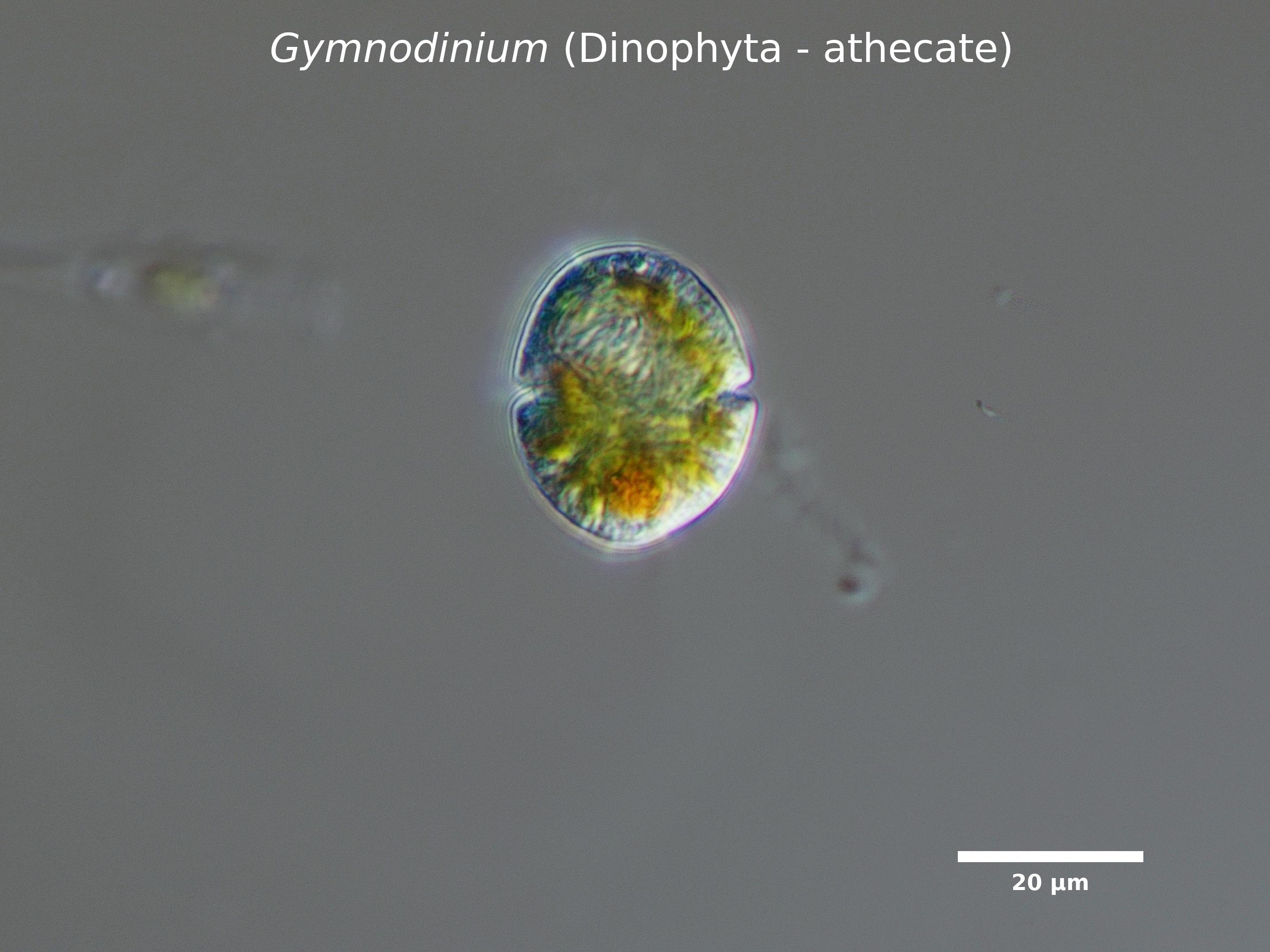
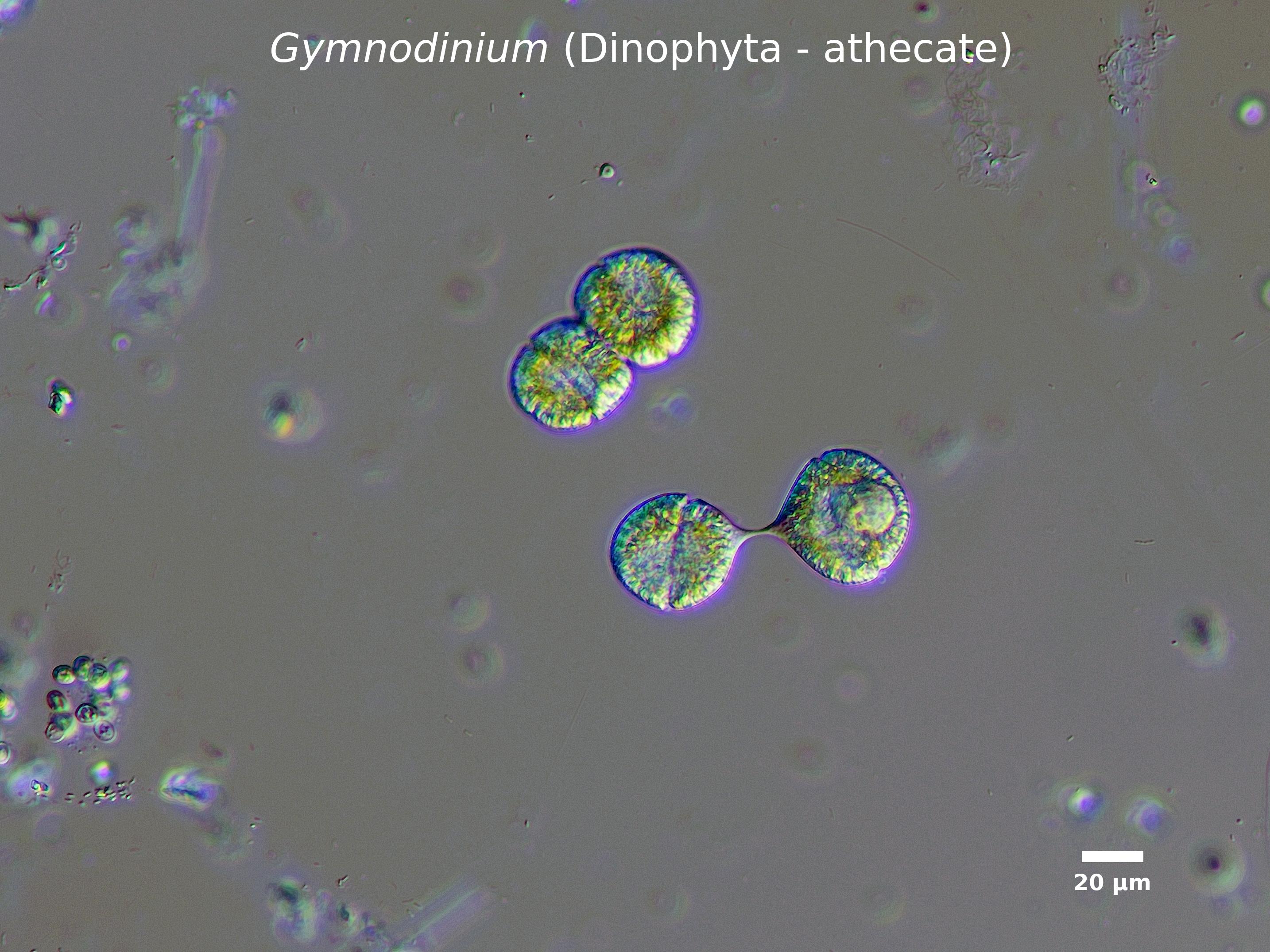
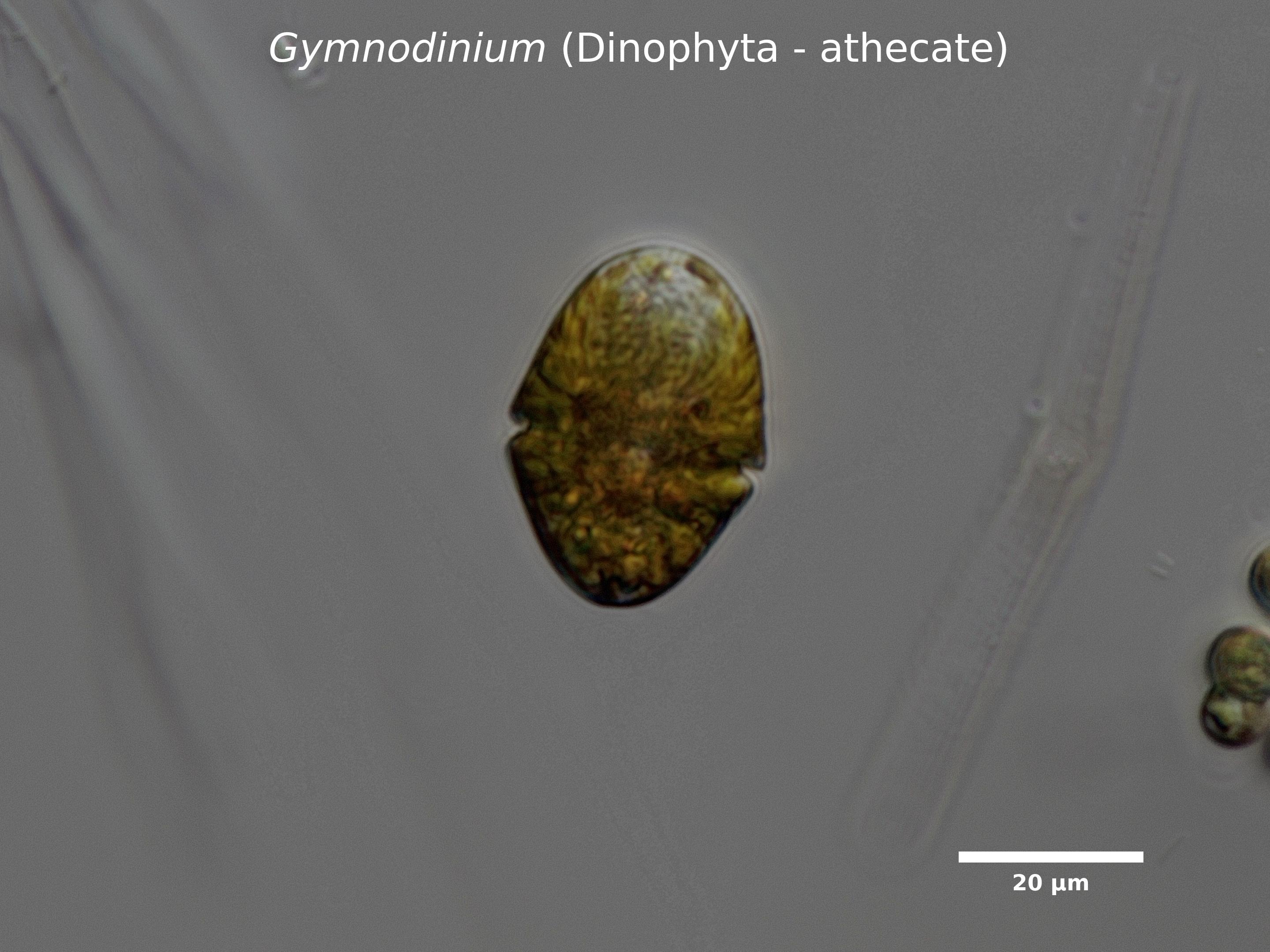
E1. Cells with flexible walls divided by cingulum into epicone and hypocone (difficult group):
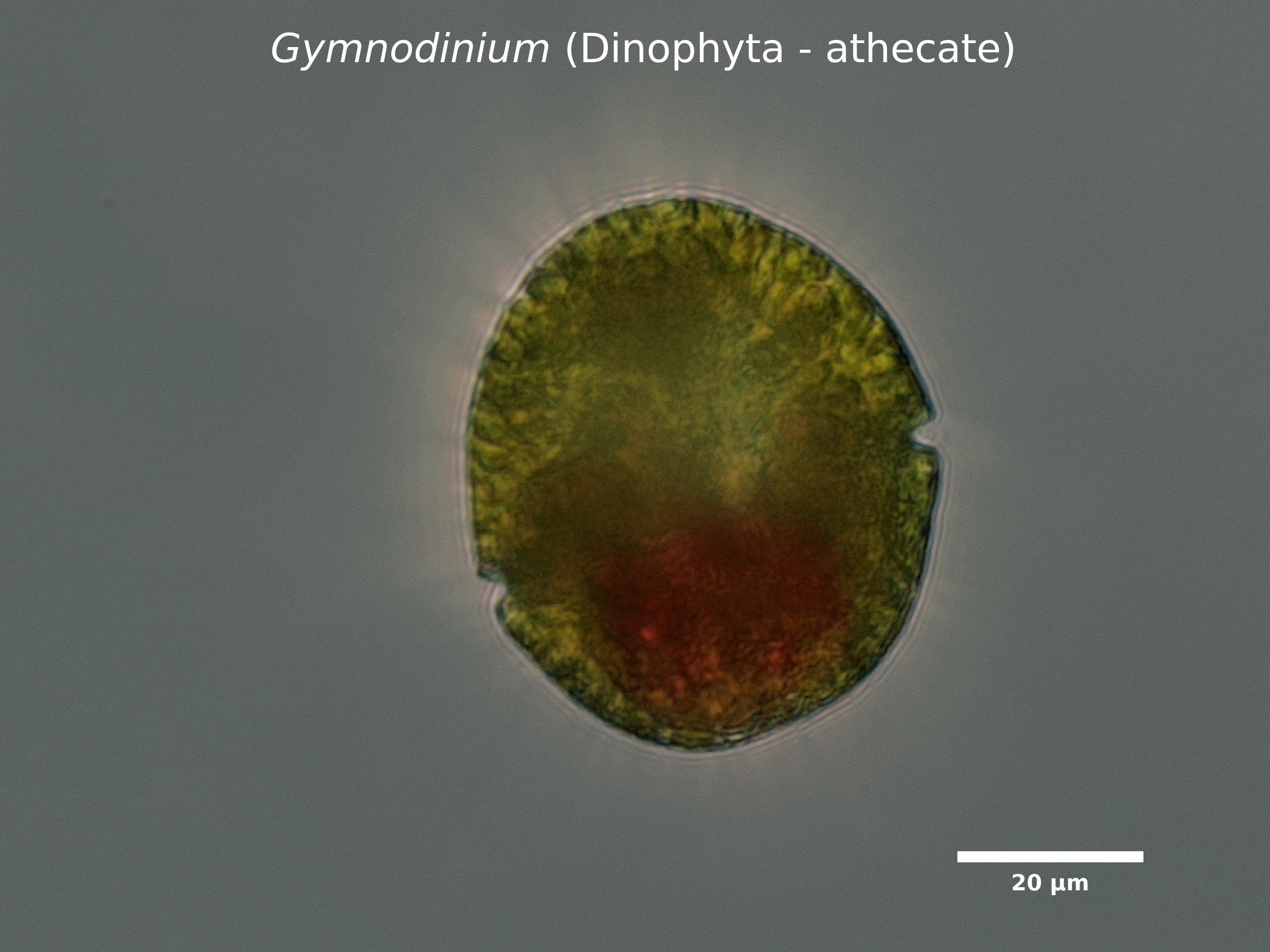
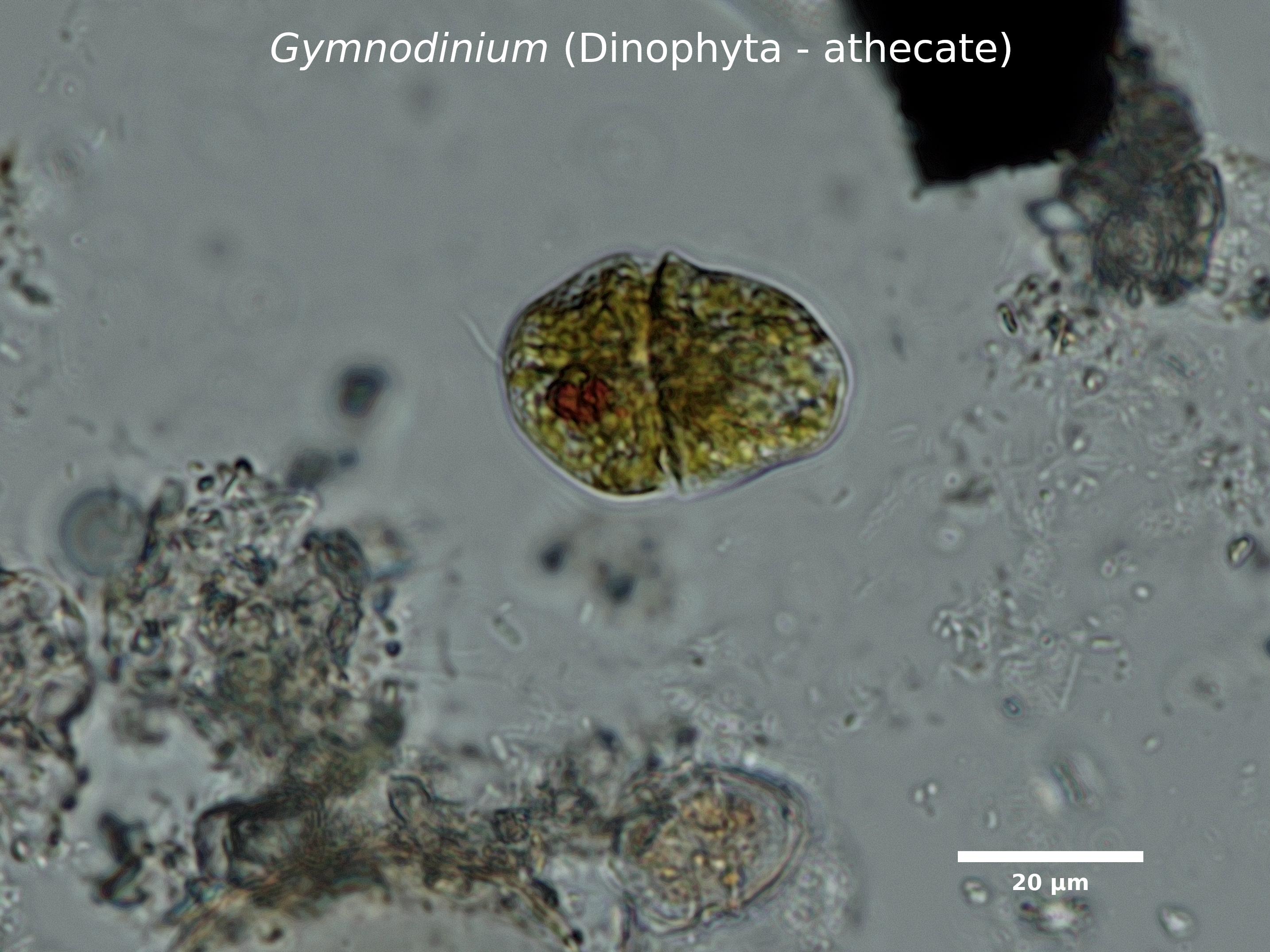
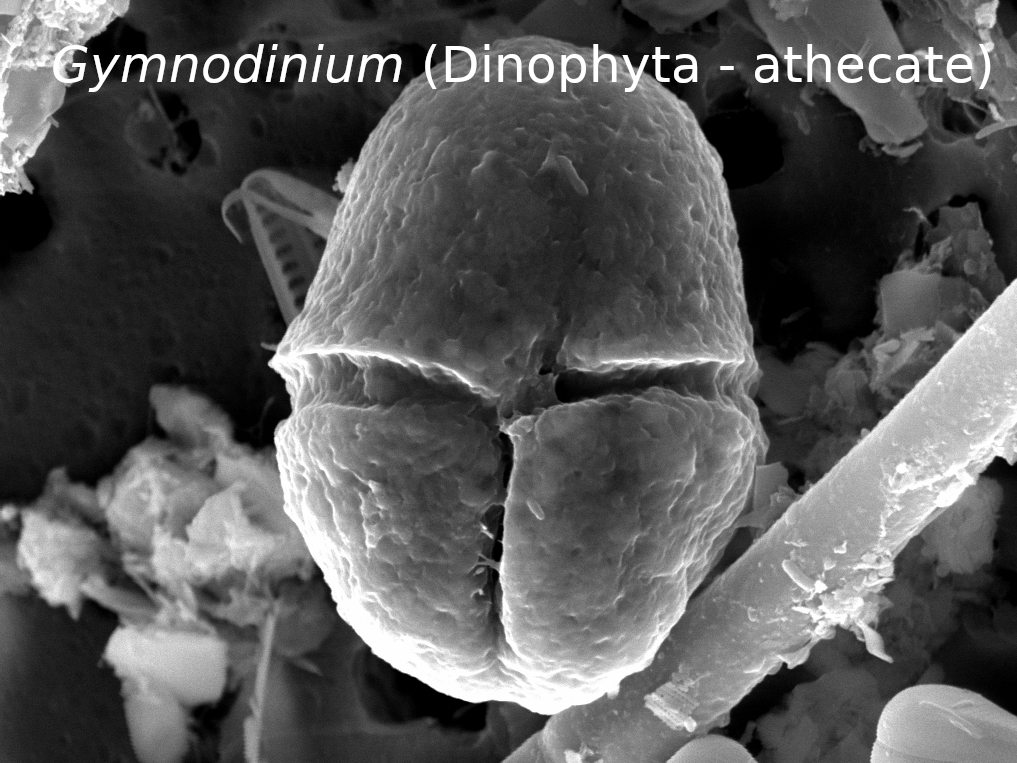
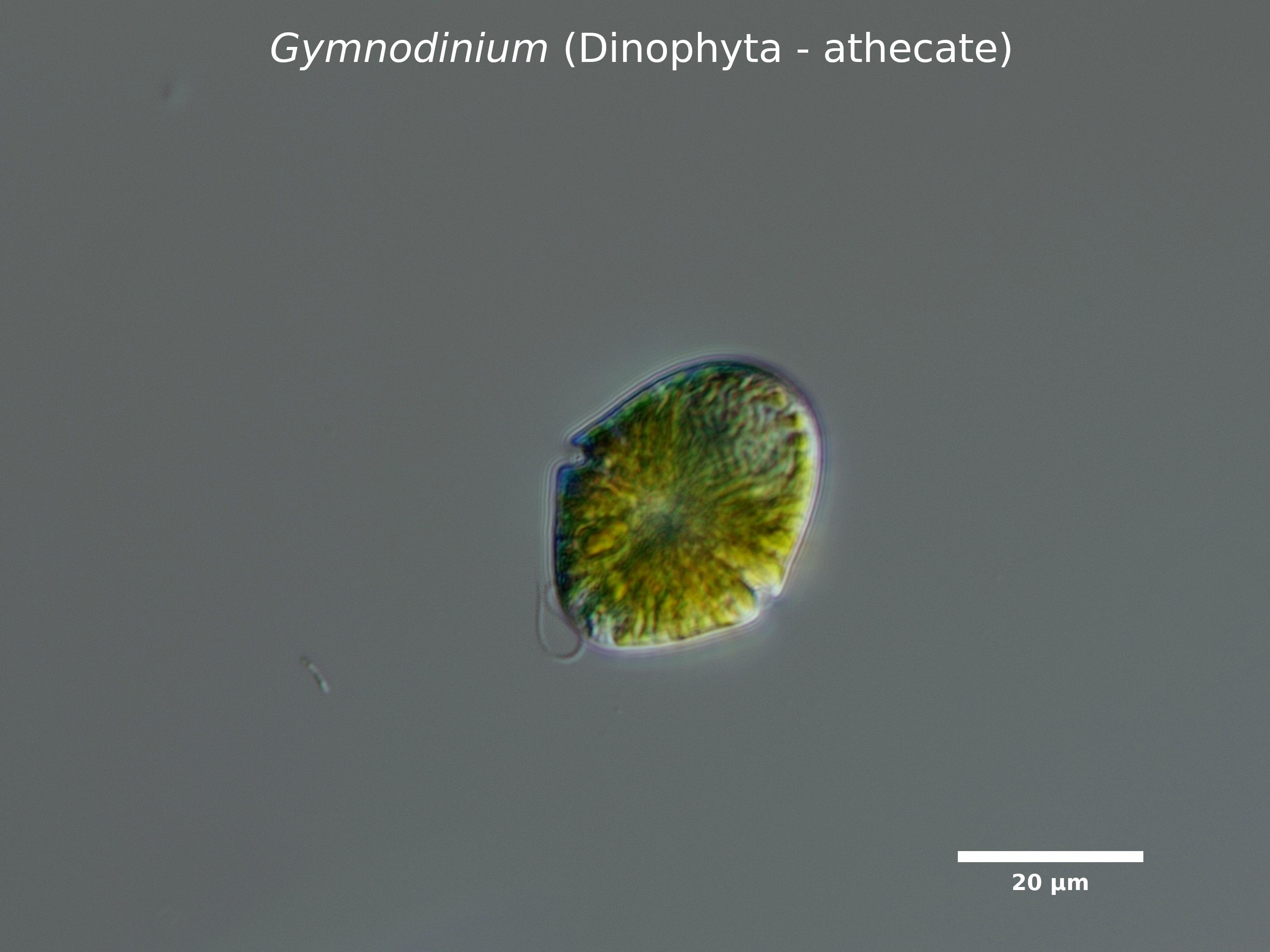
athecate dinoflatellates
(
Amphidinium
, Gymnodinium,
Hemidinium
, and others)
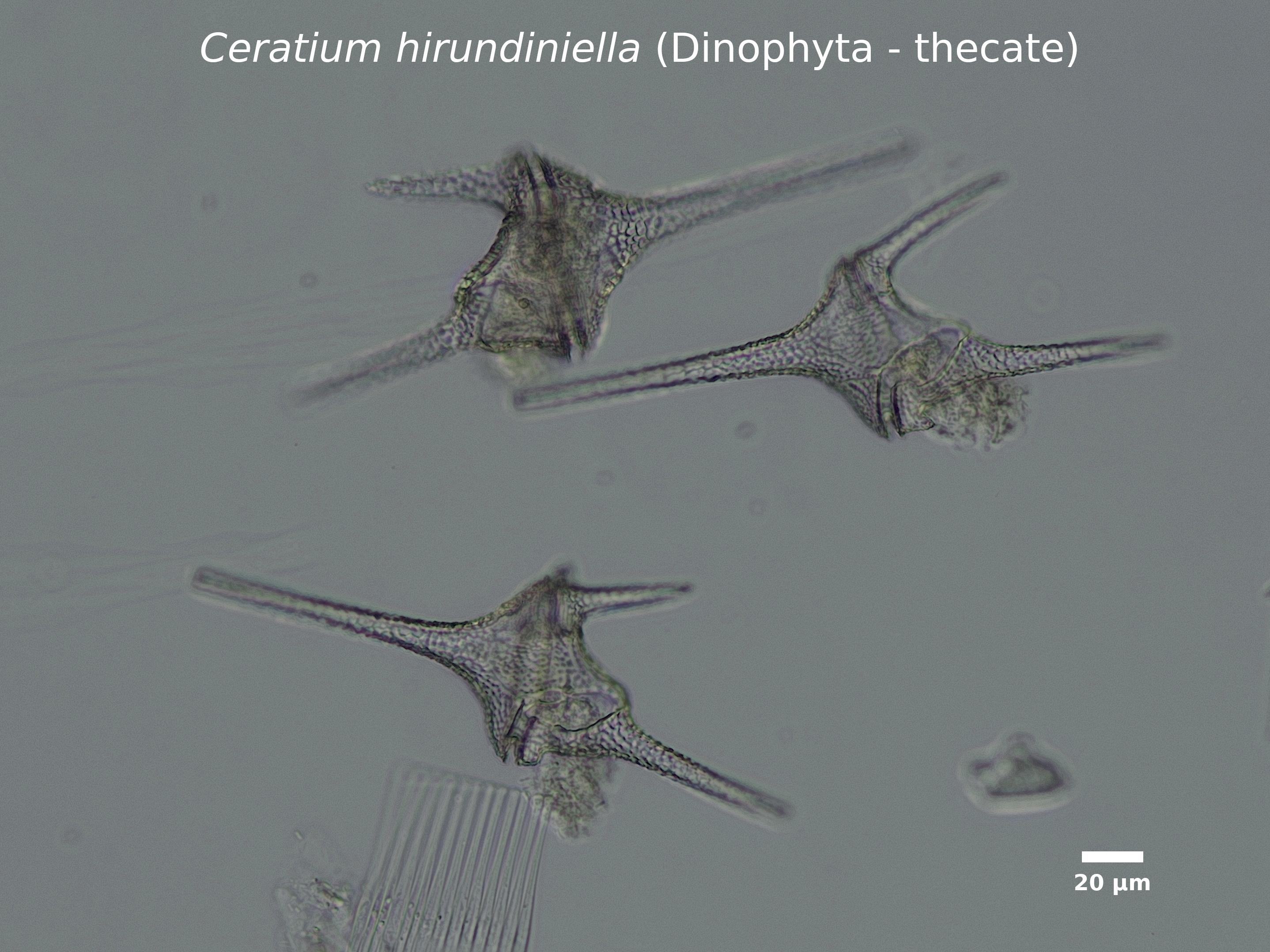
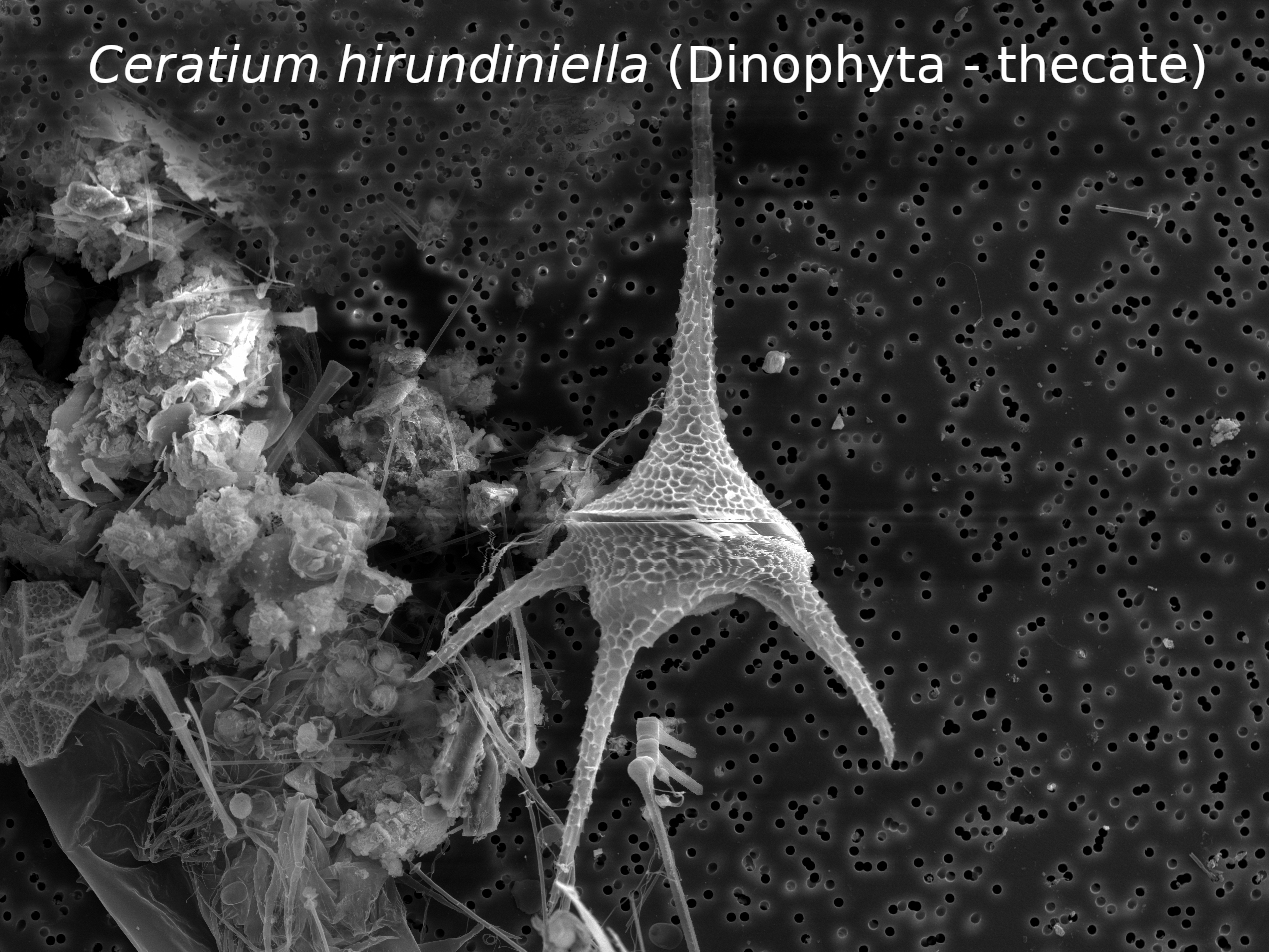
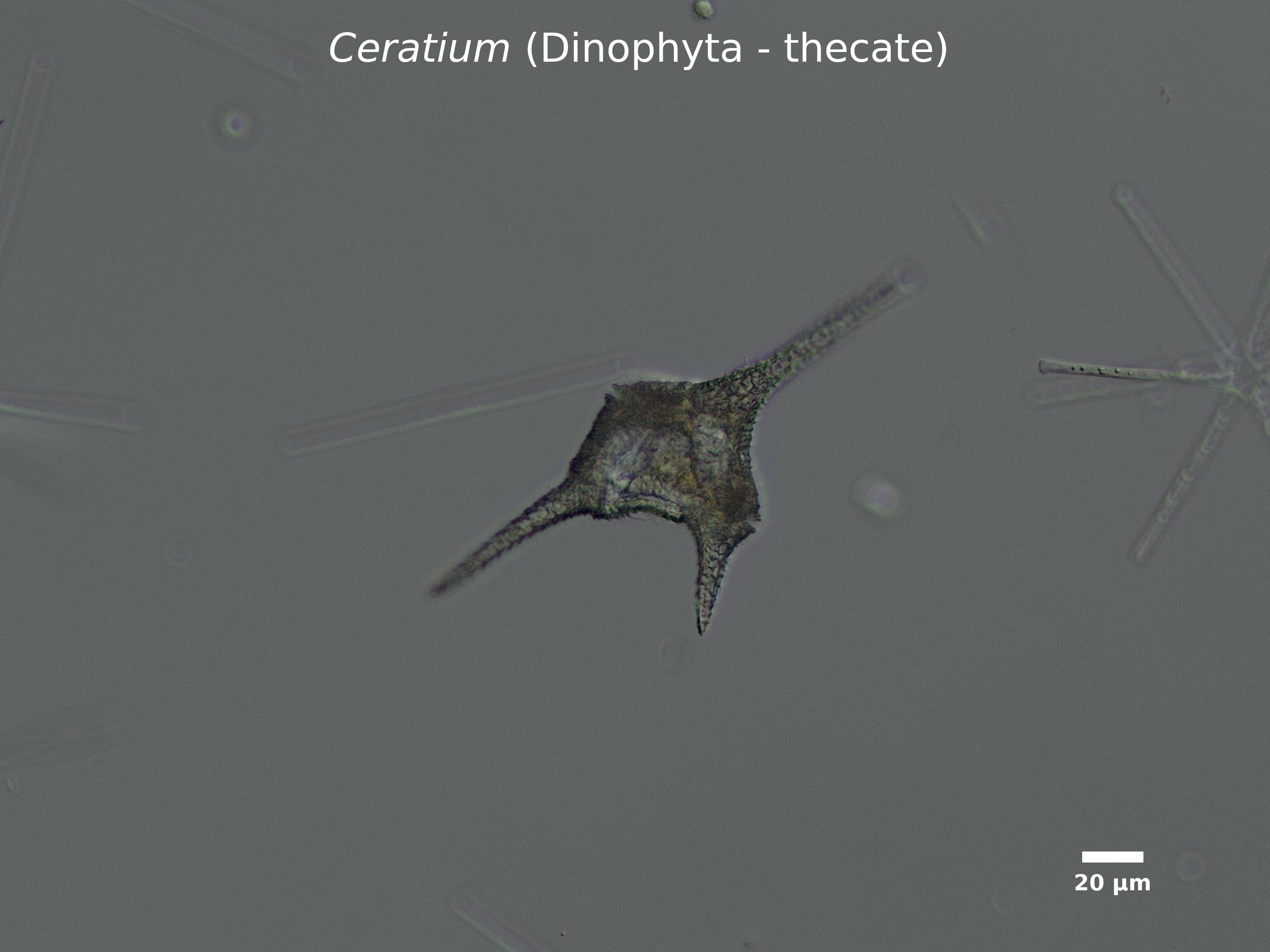
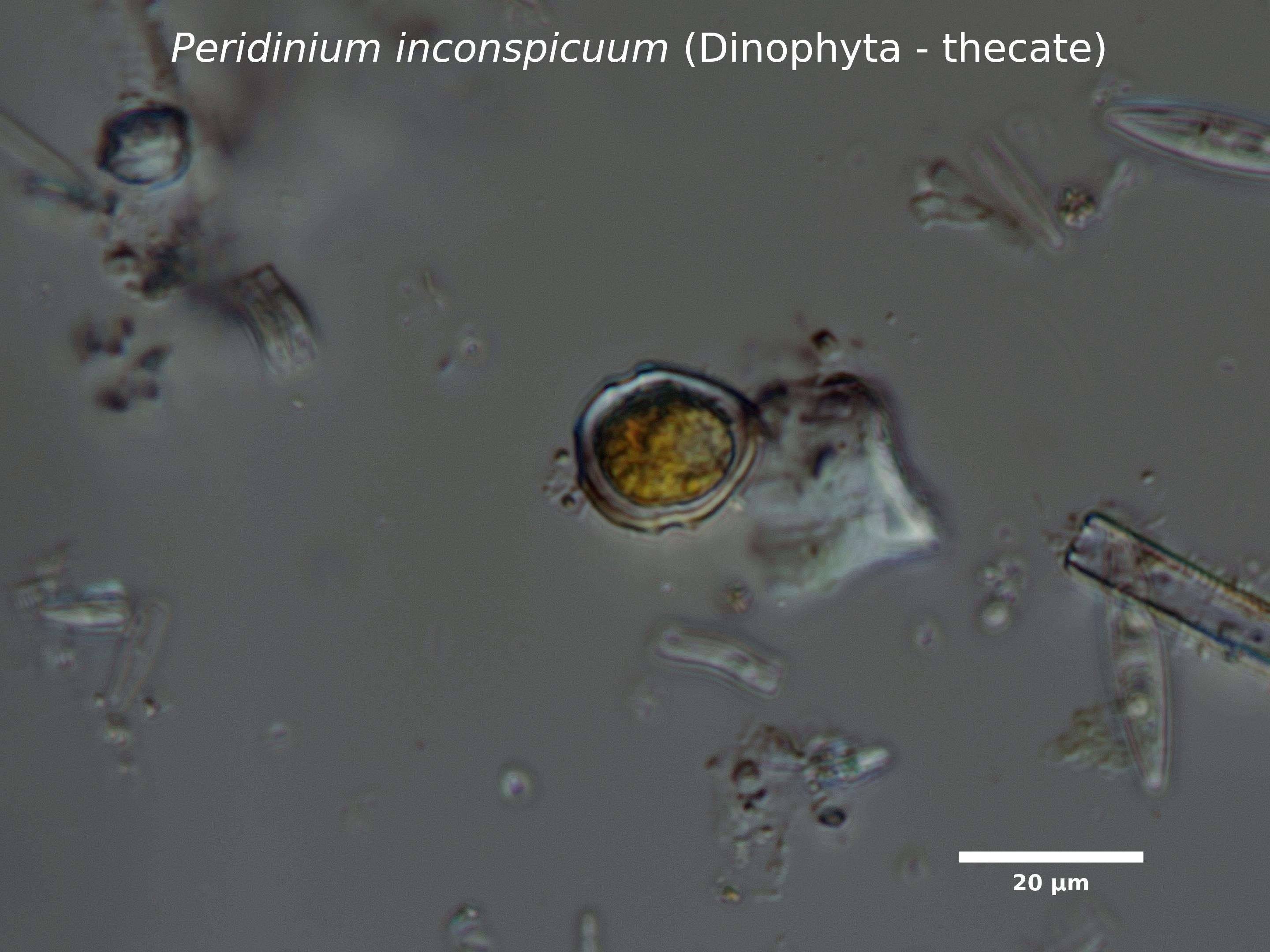
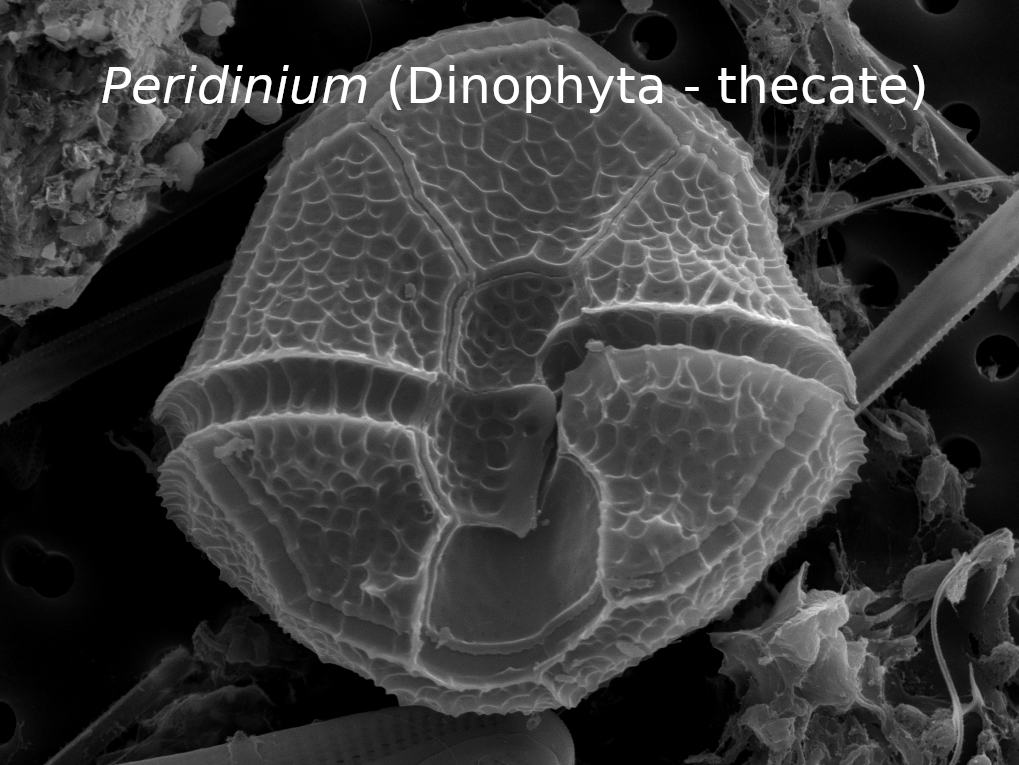
E2. Cells with rigid, plate-like walls divided by cingulum into epitheca and hypotheca (difficult group):
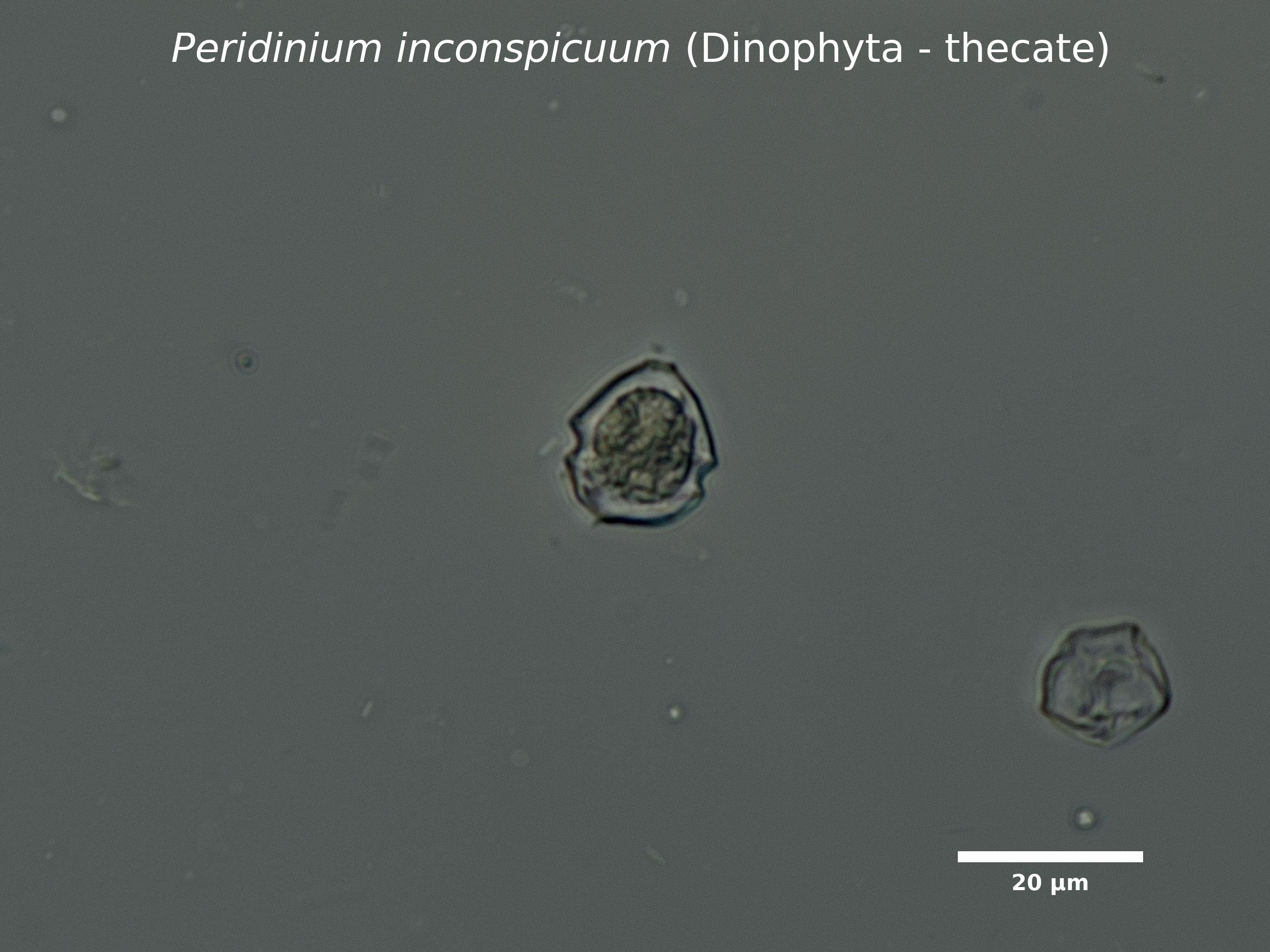
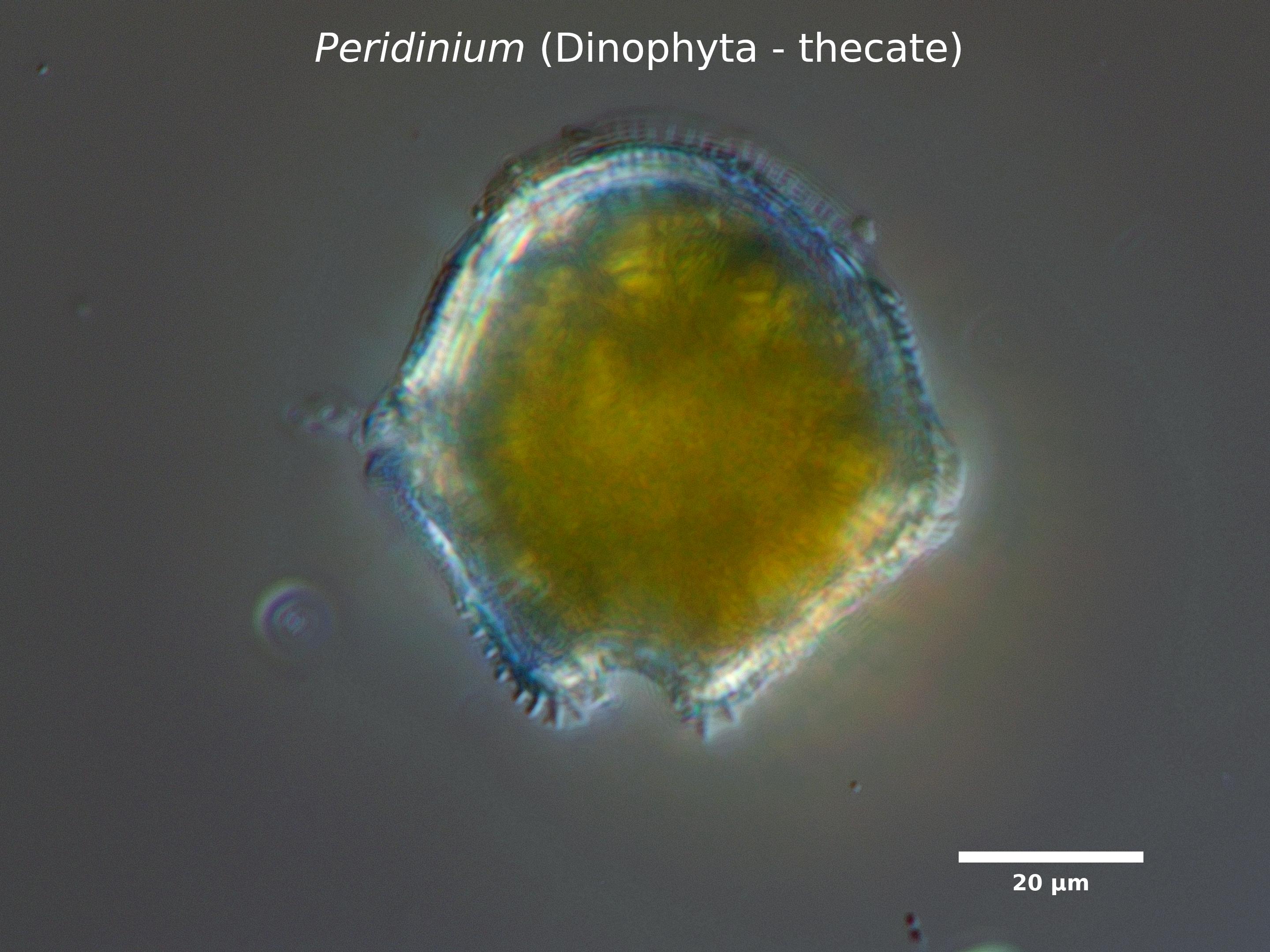
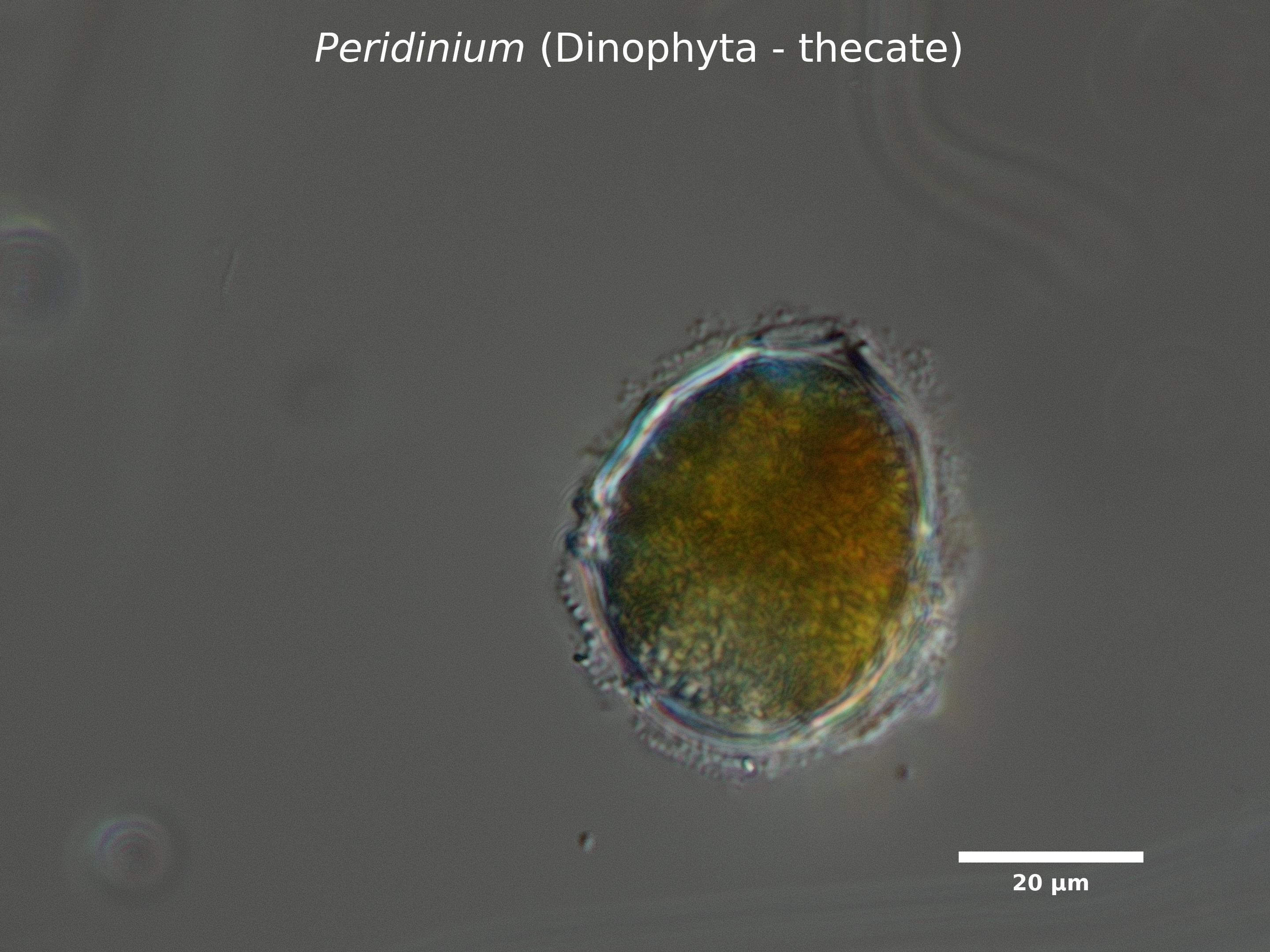
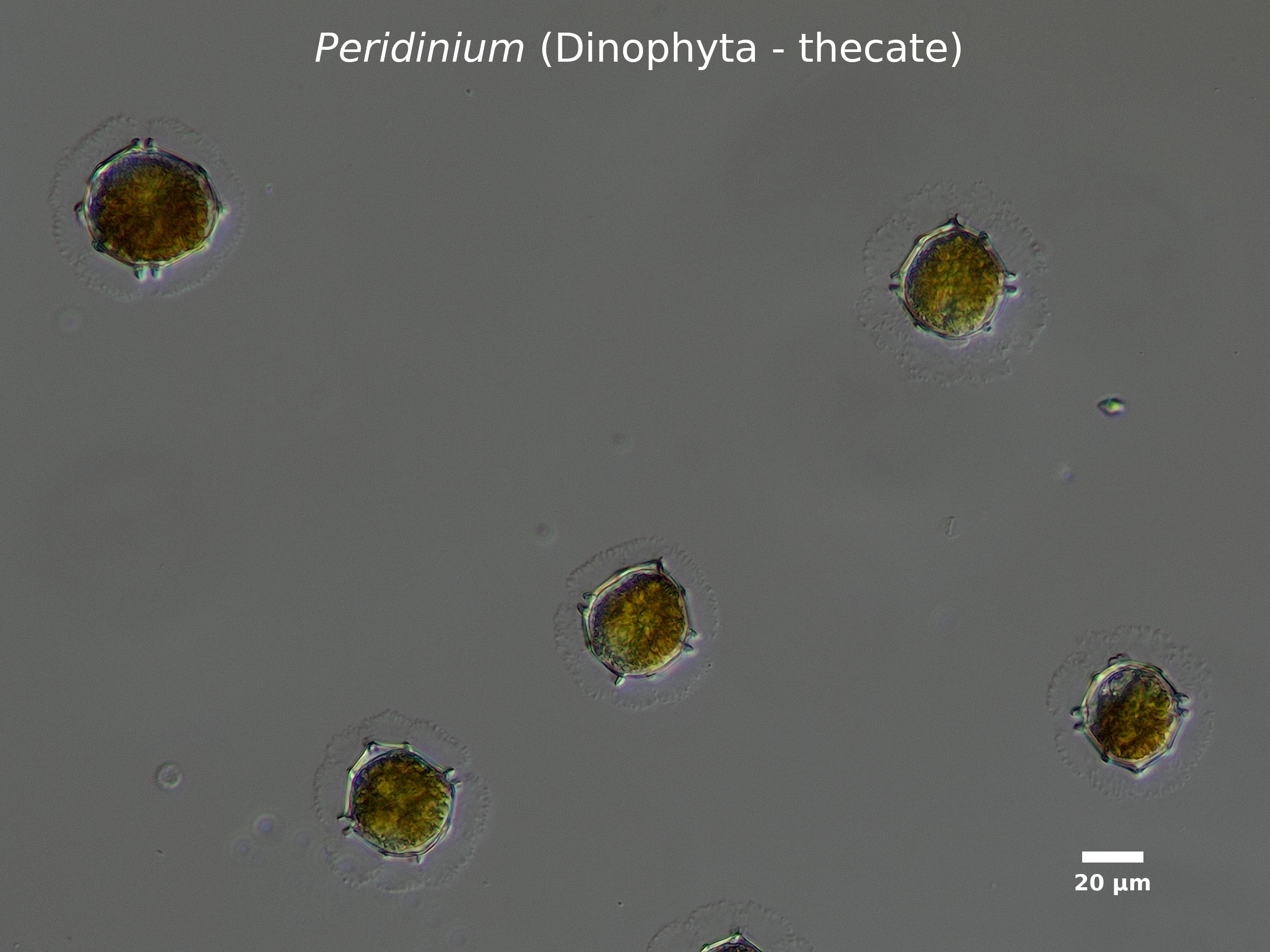
thecate dinoflatellates
(
Ceratium
, Peridinium, and others)
C4. Cells heart-shaped and flattened, with 4 equal flagella:
Tetraselmis
B2. Motile colonies with two or more cells
A4. Cells divided into paired semi-cells that are approximate mirror images of each other:
Desmids
A5. Cells enclosed in glassy, ornamental frustules; many species exhibit gliding movement:
Diatoms